Steigenberger Pyramids Cairo Hotel: pool & patio room with Giza pyramid views! Andresgallardo Miffy, Scarlet Darkness
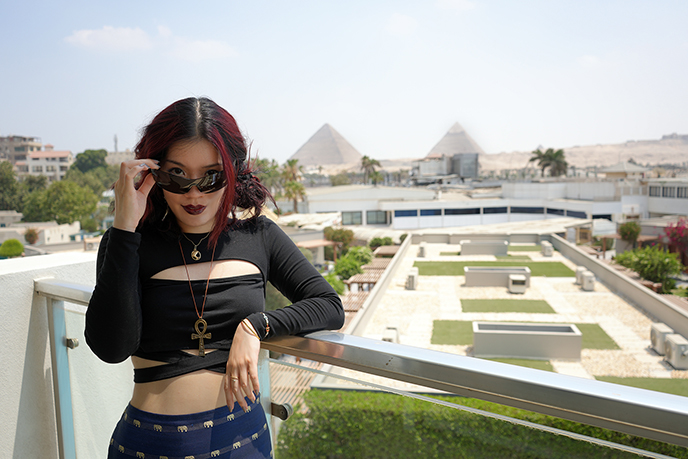
Egypt, I’m back! Staying at Steigenberger Pyramids Cairo Hotel in Giza made me feel like one of the ancient queens like Cleopatra, Nefertiti and Hatshepsut. (And don’t forget Egyptian disco diva Dalida!)
Read on for a look inside my dreamy stay at this hotel, which is right across from the three famous pyramids and new Grand Egyptian Museum (which I also visited, and will show you soon).
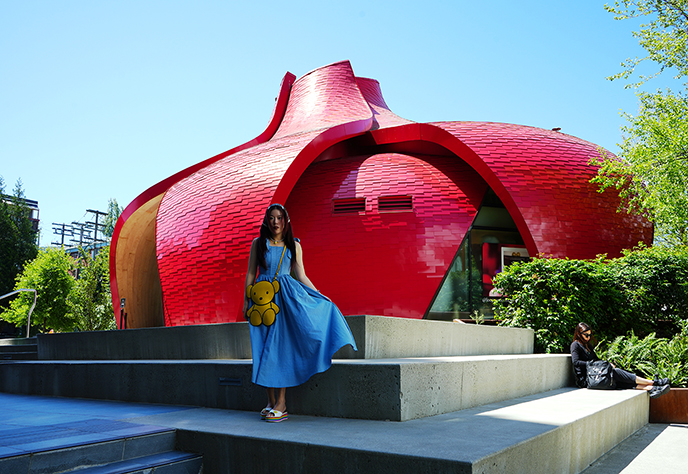
I’ll also share some summer fashion inspiration. Living for this new bag / jewelry collab between Andresgallardo and Miffy, my beloved Dutch white bunny mascot! And I’ll be existing in this Scarlet Darkness cotton dress and headscarf, inspired by historical fashion. (Check out their new arrivals here, and scroll down for the full shoot.)
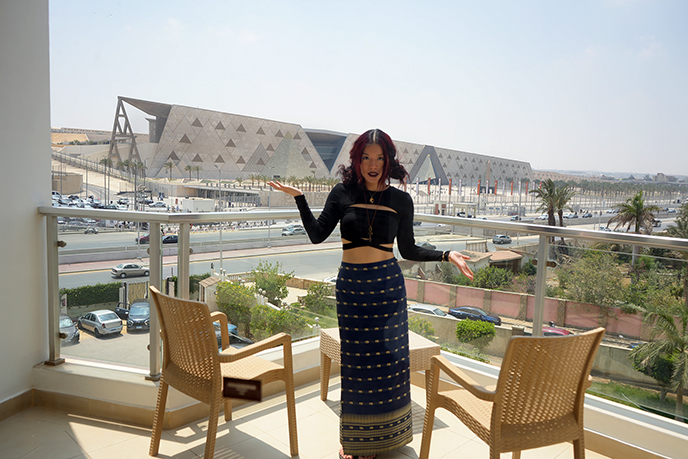
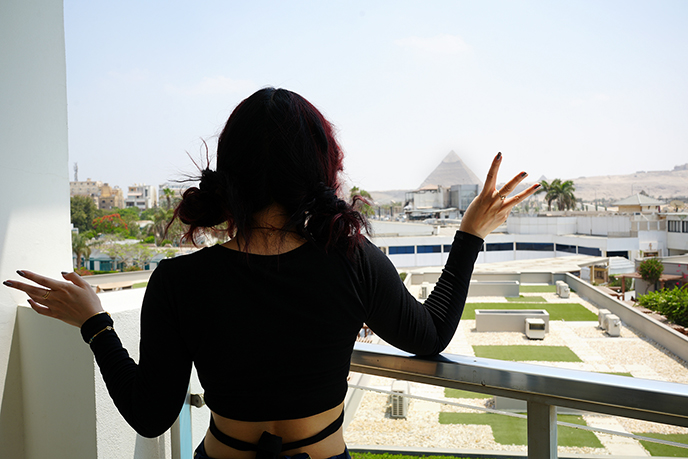
When I was researching places to stay in Giza, I was enthralled to find Steigenberger Pyramids Cairo Hotel. The location can’t be beat: right across from the GEM and Pyramids / Sphinx… a dream for Egyptology lovers like me.
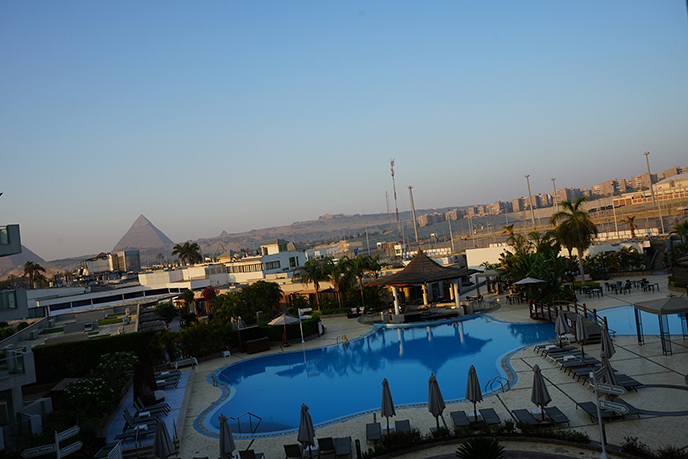
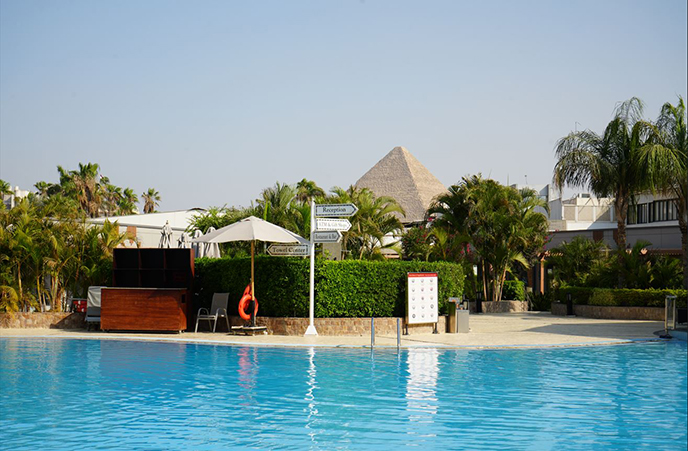
I had a pyramids view suite with a patio, which also looked out at the luxurious pool.
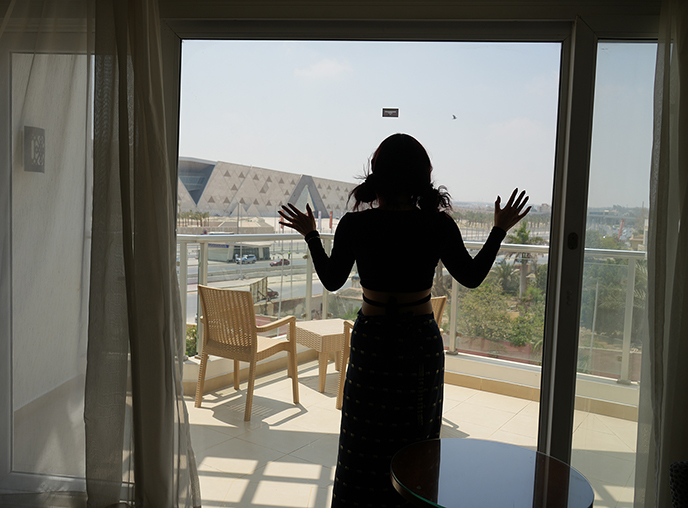
Note that downtown Cairo is about a 30 min drive in traffic to Great Pyramids and the Grand Egyptian Museum, so it’s worth staying in Giza for easy access (I was literally across the street from GEM, and Steigenberger offers free shuttles there throughout the day!)
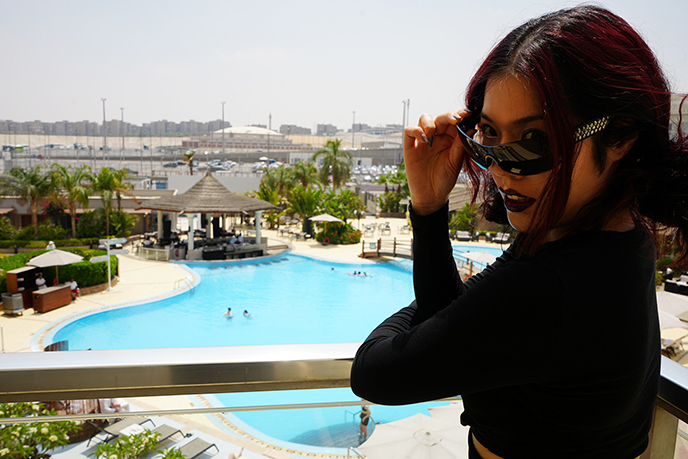
Watch my IG reel about the hotel experience, including the restaurant, cocktails by the pool, and a look at the various rooms. (I set it to a favorite disco track by Dalida.)
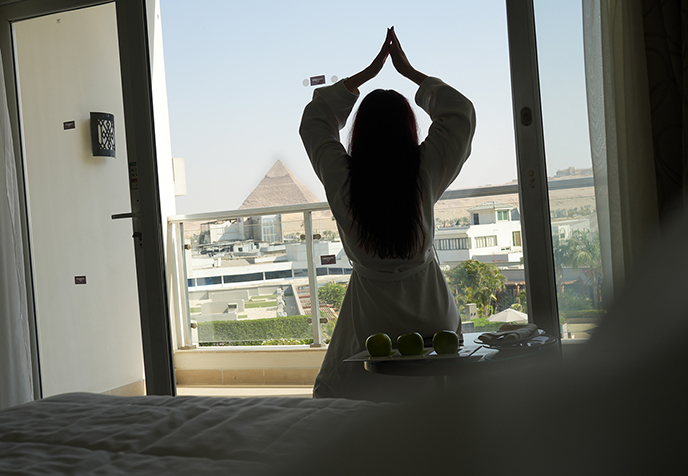
And see my Walk like an Egyptian reel, where I boogie to The Bangles’ 1980s hit in front of the pyramids!
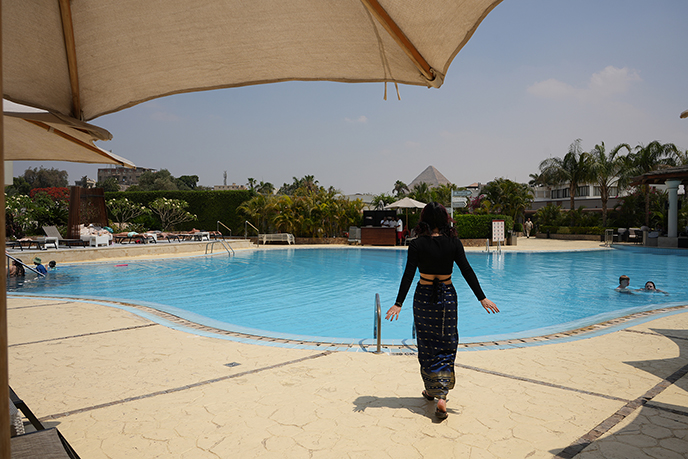
Just the tip of the Pyramid is visible from the expansive pool, where I spent much of my time hanging. (With shade and sunscreen, obvi.)
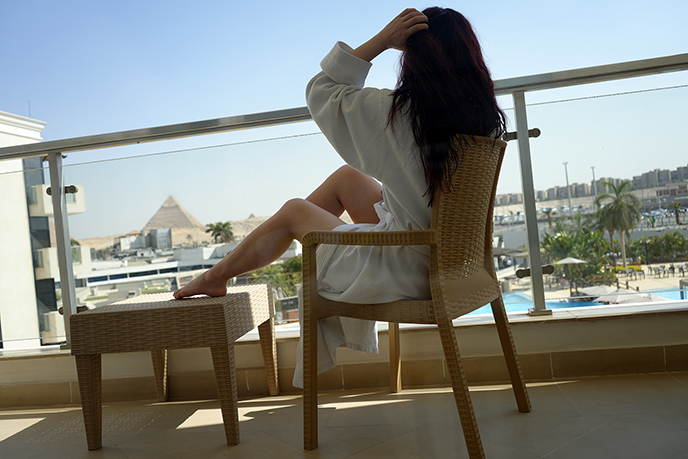
Life doesn’t get much better than wearing a robe and vibing with the 4500 year old tombs of the pharaohs.
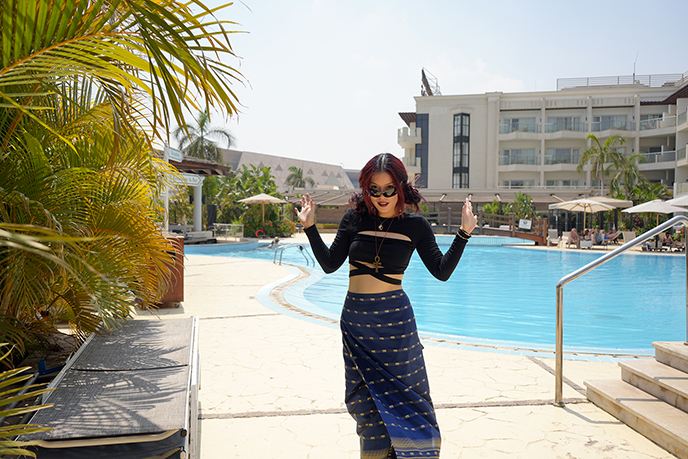
Located right across from GEM in the heart of Giza, Steigenberger Pyramids Cairo Hotel has 132 luxe rooms. It’s ancient Egypt meets modern comfort.
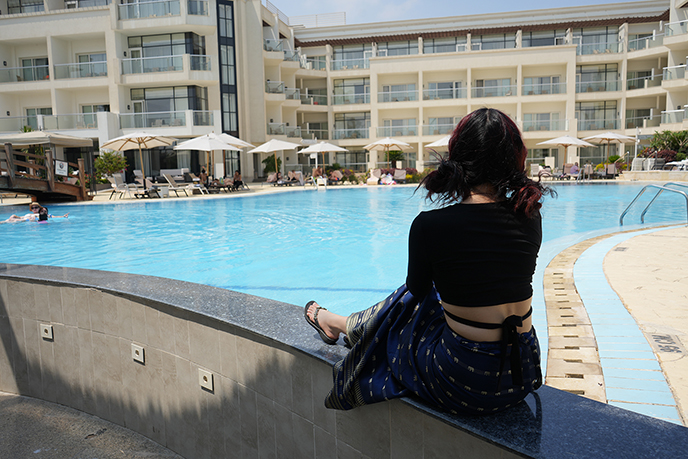
Tip: when you’re looking up Giza hotels with pyramid views, note that many are low cost apartments that happen to look out at the Pyramids, but don’t provide great service or amenities (and might be a bit run-down). Instead, stay at the safe and stress-free Steigenberger Pyramids Cairo.
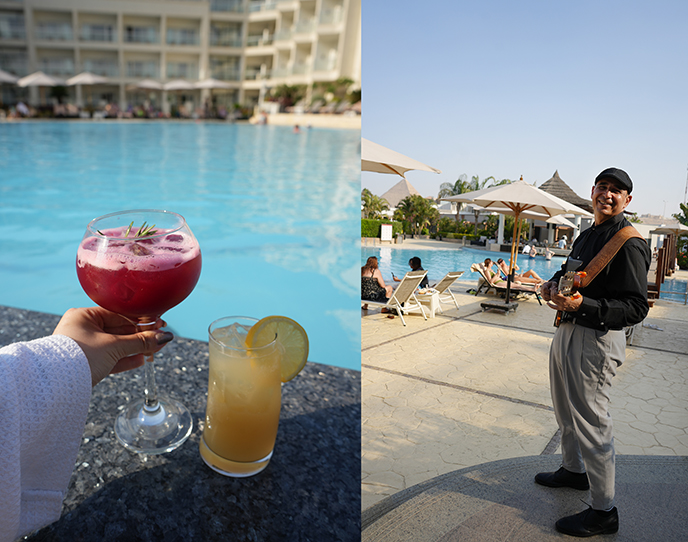
I’ll never forget lounging poolside to live guitar with cocktails named after rulers like Cleopatra and Ramses II. The staff was so lovely and knew my name – talk about 5 star service. (Special shoutout to guest services concierge Caroline for her kindness and help with photos!)
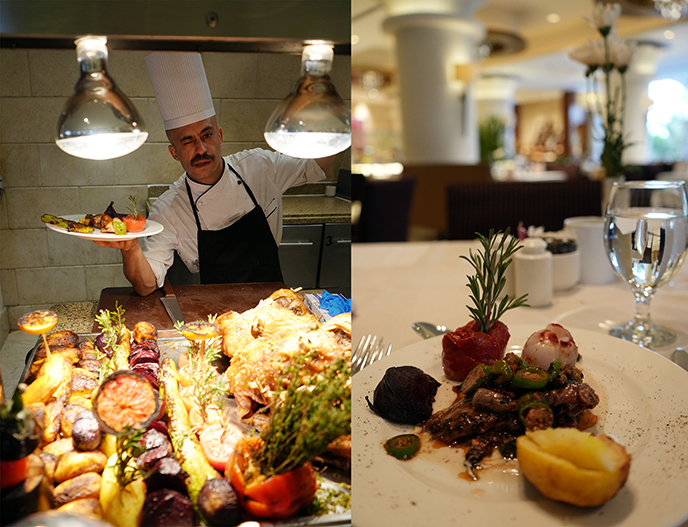
I always looked forward the dinners by the always-smiling chef Mohamed. Each night at the buffet, he’d make me special dishes like spicy Egyptian street food.
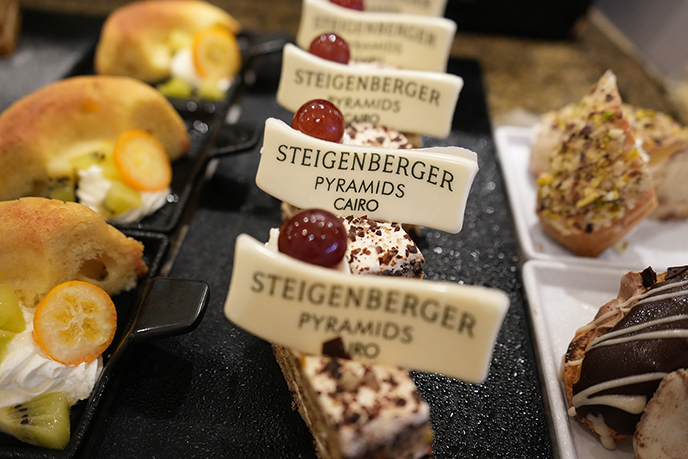
Since this is a German hotel brand, the desserts and breads were elite.
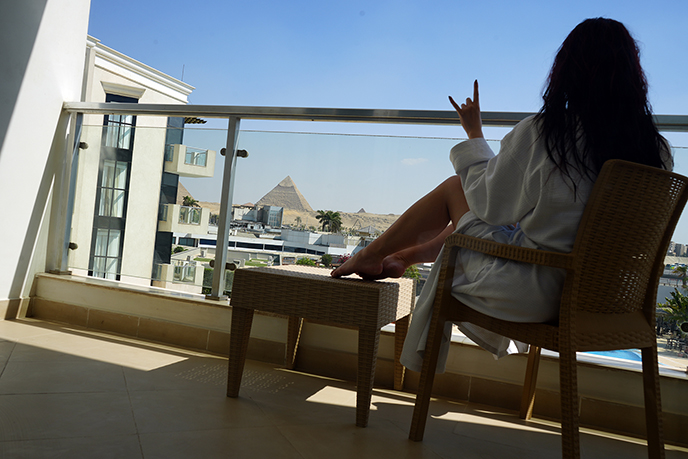
Wouldn’t you like to stay with Steigenberger Hotels and Resorts Egypt when you journey to the land of the Sphinx and Anubis? They have several properties around the country including at Red Sea.
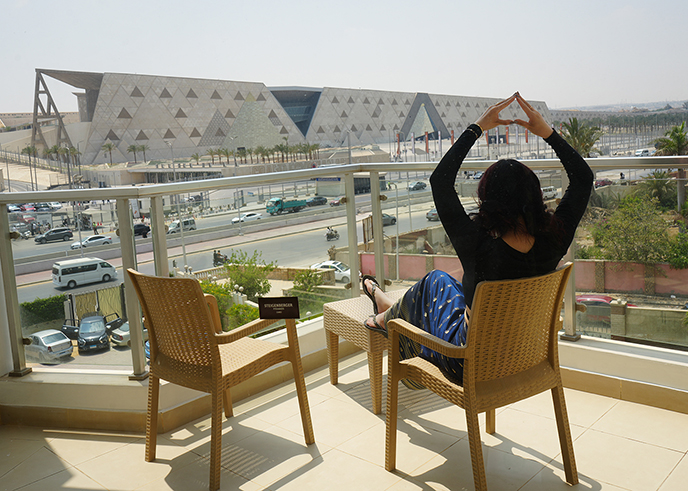
And the Grand Egyptian Museum is across the street: tons of ancient arm postures there to inspire your dance moves. “All the Japanese with their yen / They walk the line like Egyptian!” Who else loves The Bangles’ 1986 hit? See my reel to this song!
Another tip: whenever I travel out of the country, I get an eSIM from Airalo. Gone are the days of pricy roaming charges and annoying physical sims that you had to insert into phones. eSIMS are purchased and activated digitally on your smartphone so you’ll have access to data/texting as soon as you land.
You can choose the amount of data and whether you want phone/texting: I had 10GB of fast Internet on my phone for the trip. Airalo’s Discover Global plan worked perfectly in Uganda, Egypt, and all over the Balkans — even in the more remote areas of my African journey. Very satisfied with the seamless activation and speed.
If you need an eSIM for your next trip, enter “CARMEN9462” when you check out at Airalo.com; they have tons of global plans that include data and texting.
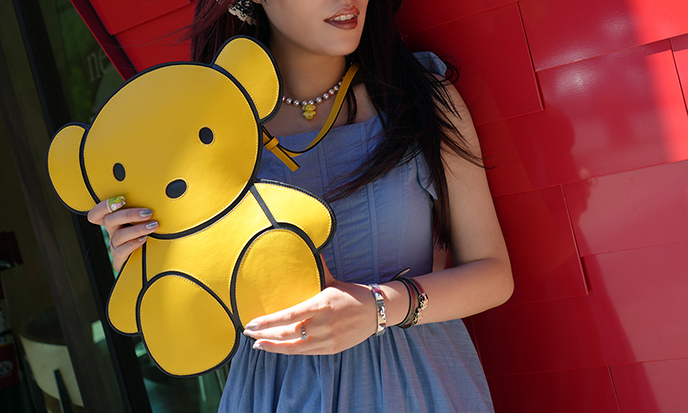
The world is heating up, so it’s time to bring out my summer wardrobe. I can’t get enough of this collaboration between Andresgallardo and Miffy, my favorite mascot – the cute white rabbit by artist Dick Bruna. I’m wearing the leather teddy bear bag, tote, and porcelain and pearl chokers.
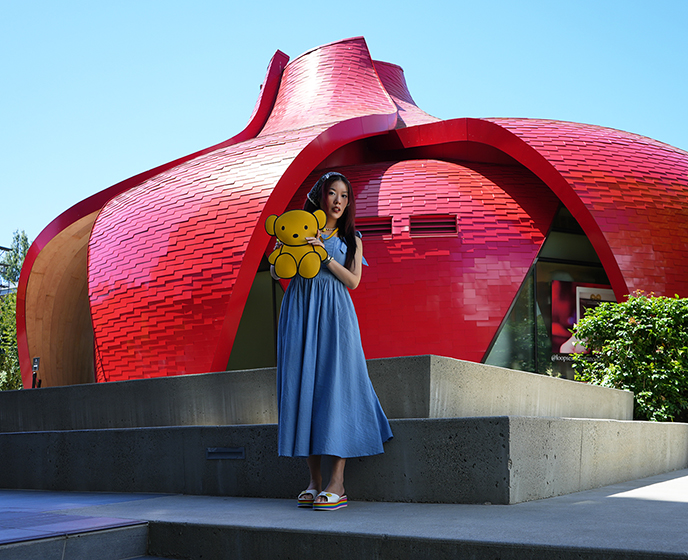
My summer go-to: romantic, flowy cotton dresses. I’m loving my blue and white Scarlet Darkness dresses and headkerchief. The dress’s corset boning ribbon ties are a nod to historical fashion: talk about bringing Gothic fantasy main character energy. Plus, there were no microlastics historically… here’s to wearing natural fabrics like cotton.
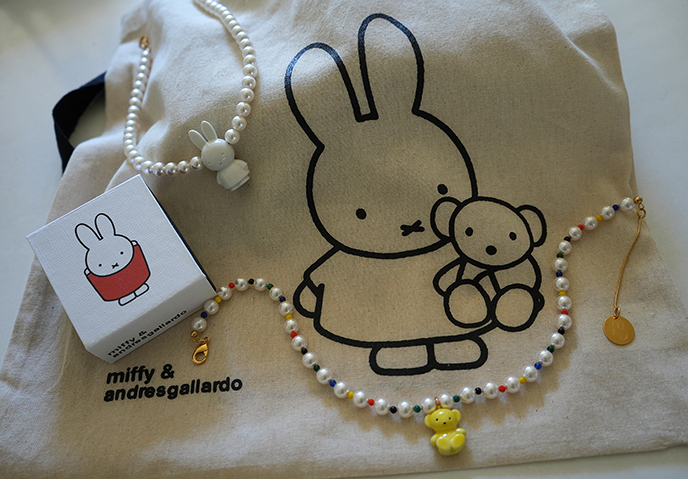
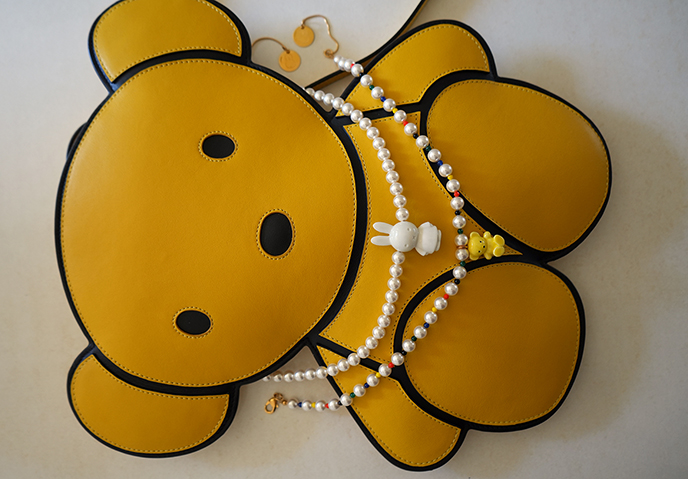
Hail Miffy for focusing on luxe collections: ANDRESGALLARDO’s jewerly and bags are handcrafted by artisans in Spain and Portugal (just look at the closeups on the stitching and handpainting). I’m also eyeing their Snuffy dog longer necklace found here.
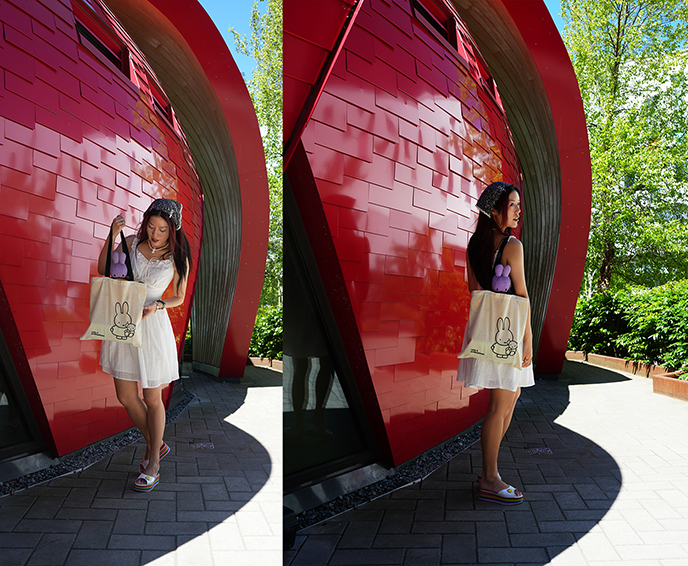
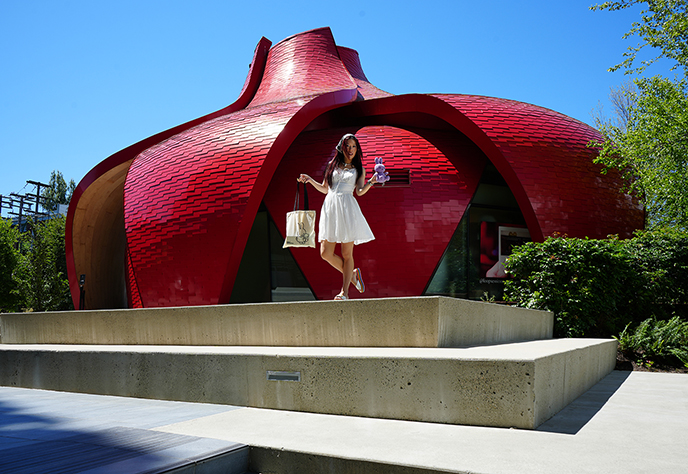
Do you also love Miffy the cute rabbit and vintage-inspired dresses? (These photos are taken at Nemesis Coffee Great Northern Way in Vancouver, BC — named one of the world’s 100 best coffee shops.)
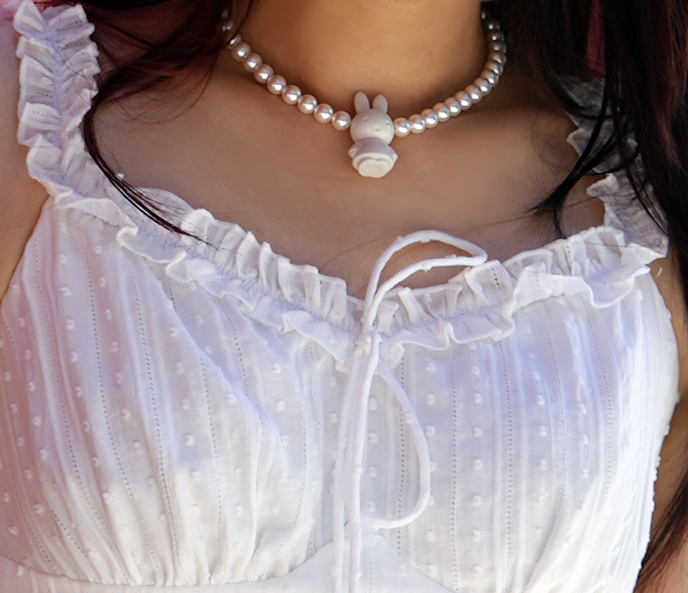
Closeup on my Miffy ceramic and pearl choker, and Scarlet Darkness white cotton sundress.
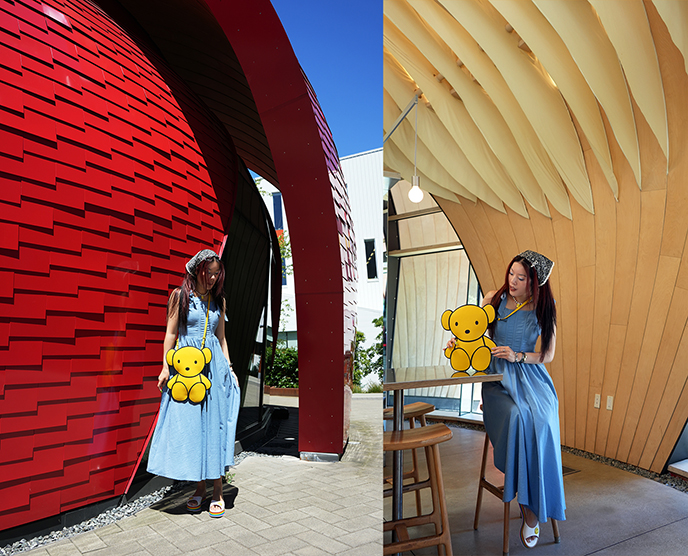
More fashion inspiration and stories from my summer travels on @lacarmina IG. Lots to share from Uganda, Egypt and multiple Balkan countries — and soon I’ll be in Central Asia and Korea…
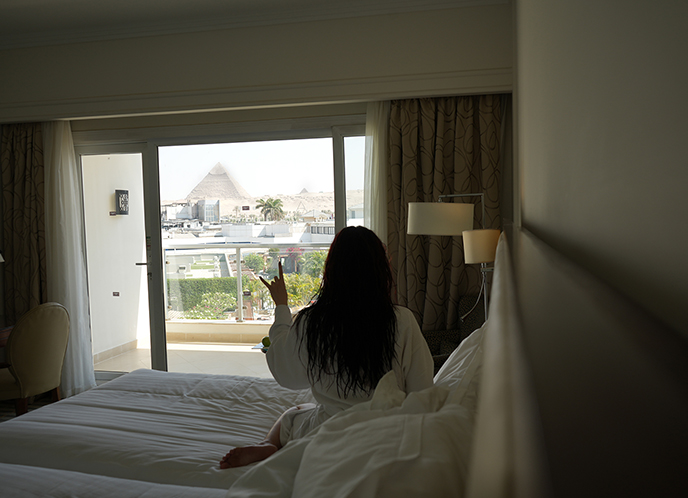
Pyramids pyramids pyramids! Were you enthralled by ancient Egypt as a child? See all my Egypt blogs here (I went to various parts of the country in 2019) — and stay tuned for much more from the land of ankhs and jackal death gods!
SHARE & COMMENT
Tokyo, Japan Goth & metal bars! Alternative gothic bar guide, Guinea Pig Shinjuku address, Nanzuka Taken sci-fi Sorayama.
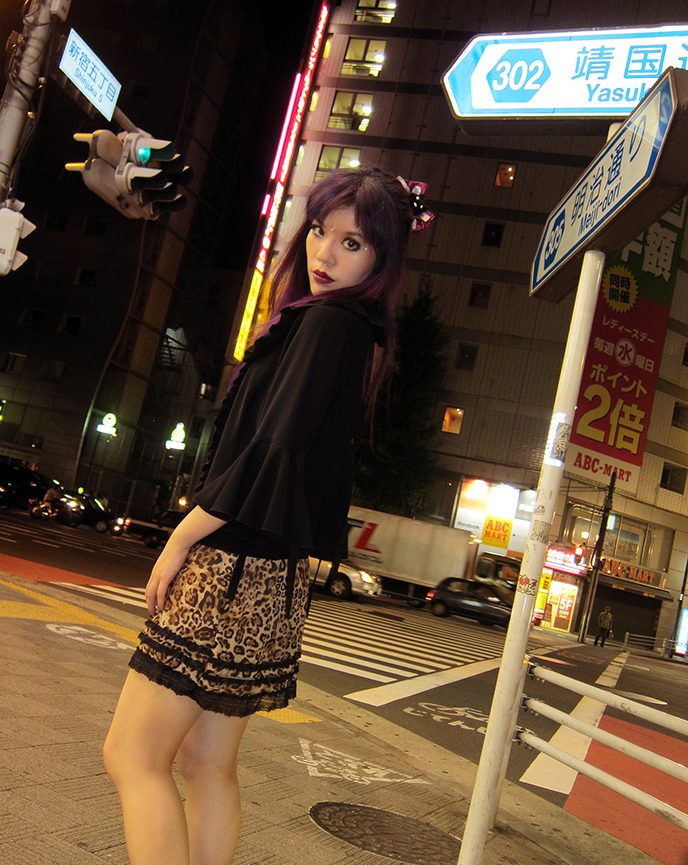
Tons of you enjoyed my guide to Tokyo Goth, metal and horror bars on IG — especially our fav, Guinea Pig — so let’s dive in deeper!
You’ll find my spooky crew at the following Japan Gothic alt haunts mostly in Kabukicho, Shinjuku. This isn’t a comprehensive list — our other favorite bars incude Godz, Bar Psy (music) and Caribbean (absinthe) in Shinjuku, Bar Tram (Ebisu) for specialty absinthe, and others previously featured on La Carmina Blog and IG @LaCarmina,
In this previous post, you can see my dispatches from Golden Gai’s Deathmatch in Hell, Roppongi’s Trick or Treat Halloween bar, cyberpunk apocalypse Neo-Shinjuku Atsushi, LGBTQ Eagle Blue, and more to round out this list!
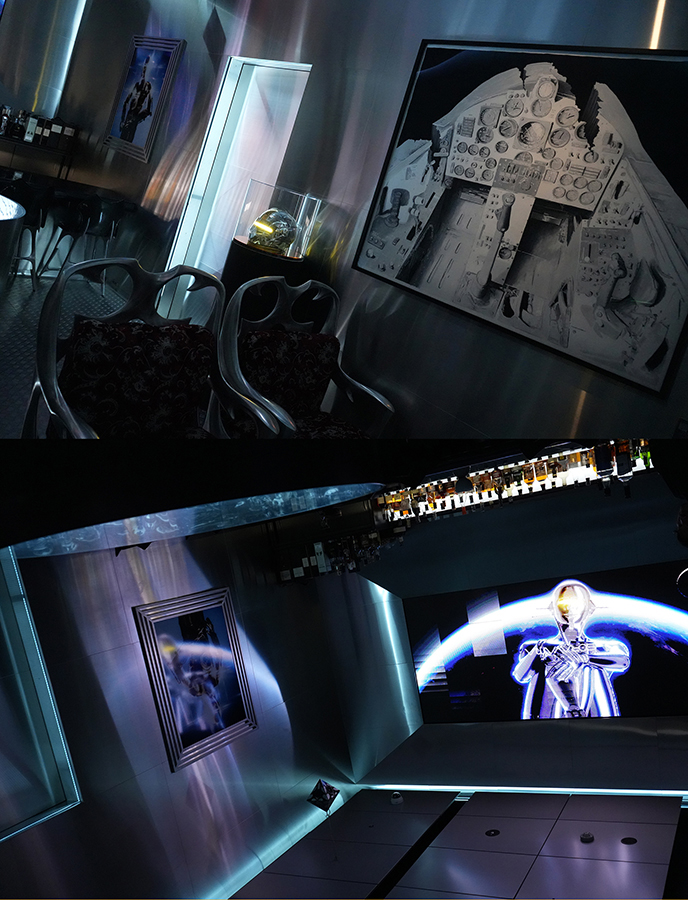
Read on to be transported into the new Nanzuka Taken. It’s a Hajime Sorayama (sexy robots) meets HR Giger (alien horror) bar in Shinjuku that makes you feel as if you’ve been abducted by extraterrestrials and are floating in space!
(See our reel about our Nanzula Taken Sorayama bar visit.)
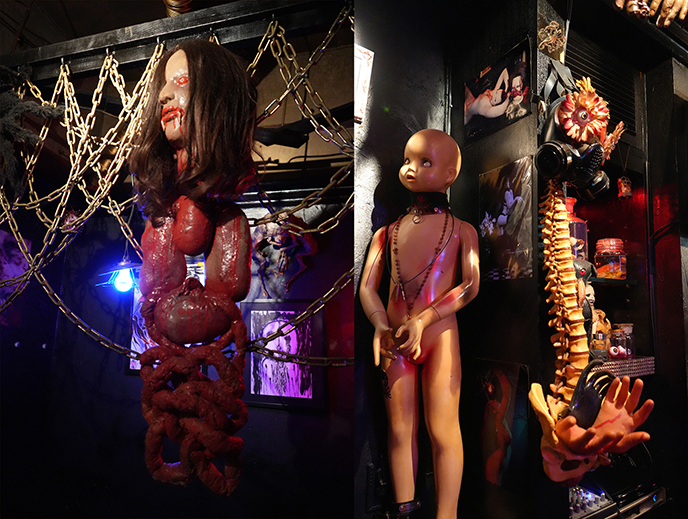
Our fav horror / alt / Tokyo Goth bar by far is Guinea Pig – a fetish gore-fest with animal fetuses in jars and bloody B movies on the screens!
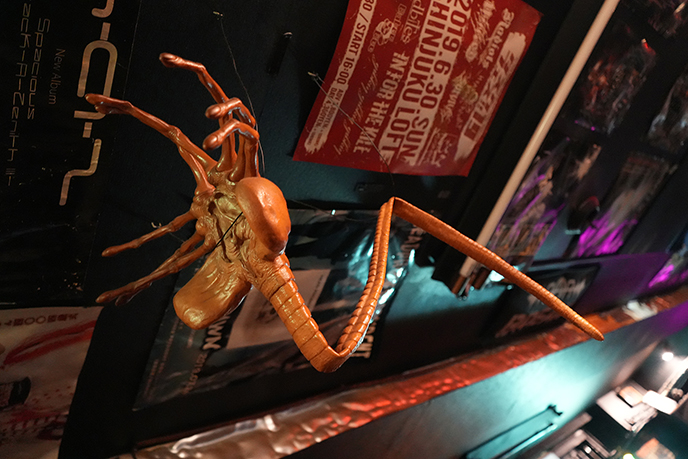
Look out for facehuggers and decapitated heads everywhere…
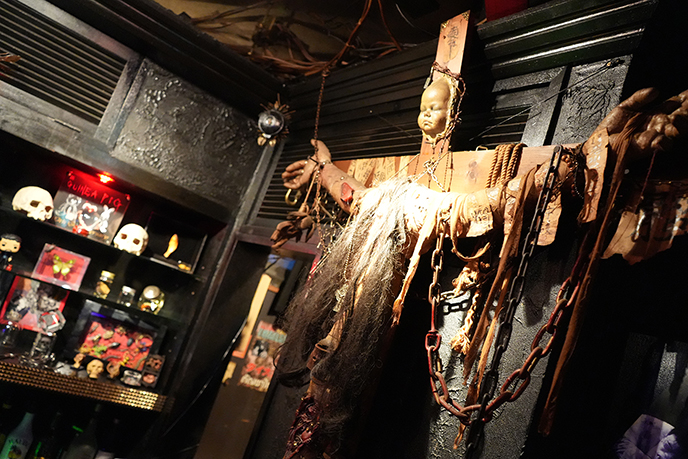
Guinea Pig is not easy to find in Kabukicho, so heed the address: 2-41-2 Leo Kotobuki Building 3-A, Kabuki-cho, Shinjuku, Tokyo
It’s not open every night. Look for the white classical-looking building with a staircase, and take the elevator to the third floor.
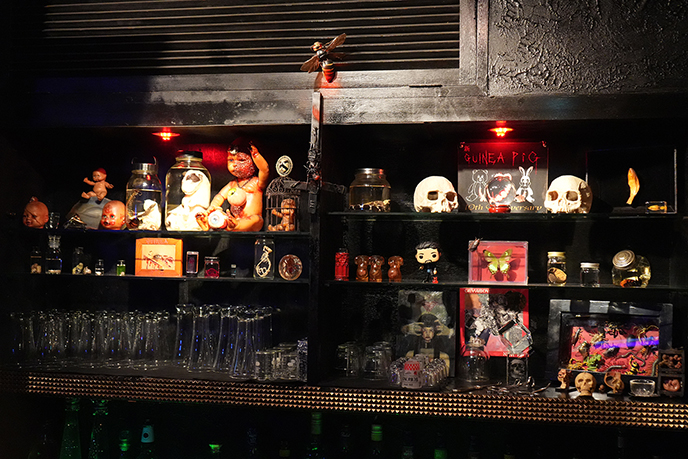
The shelves are fully of oddities like skulls and fetuses in jars. Ask for the grapefruit tequila cocktail, my personal fav, which washes down nicely with the free popcorn or snacks.
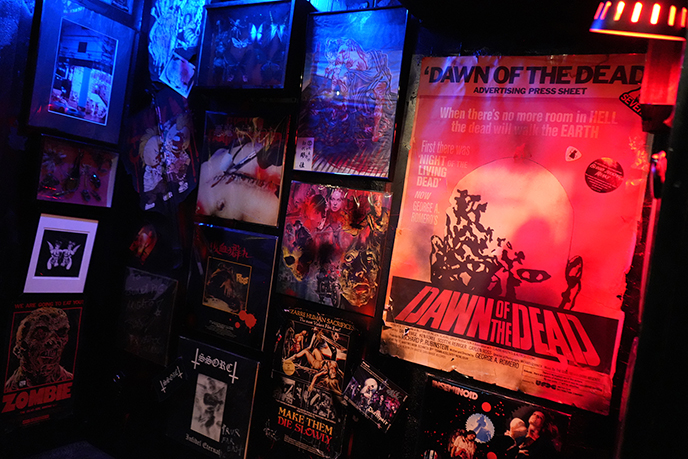
Guinea Pig has a bloody gory b-horror movie theme throughout.
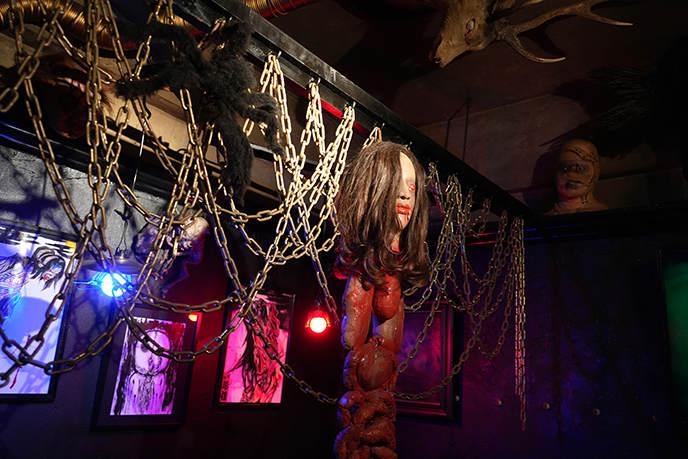
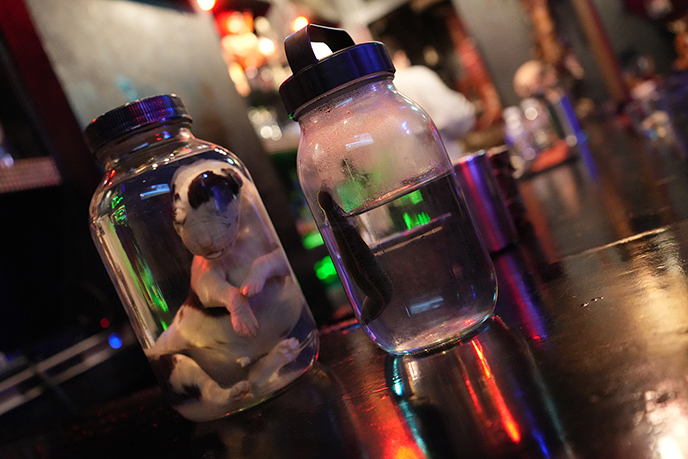
Say hello to the live leech… There used to be a pet snake at Guinea Pig too!
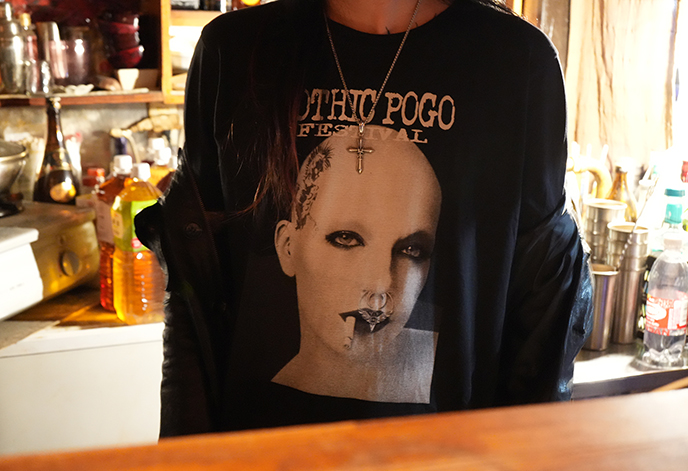
Tourists tend go to the best-known Goth horror bars, like Death Match in Hell (in Golden Gai – details in this previous post). For a true subterranean Gothic experience, head to Ricky Bar: my friend’s Goth music hangout in Shimokitazawa every Wednesday night.
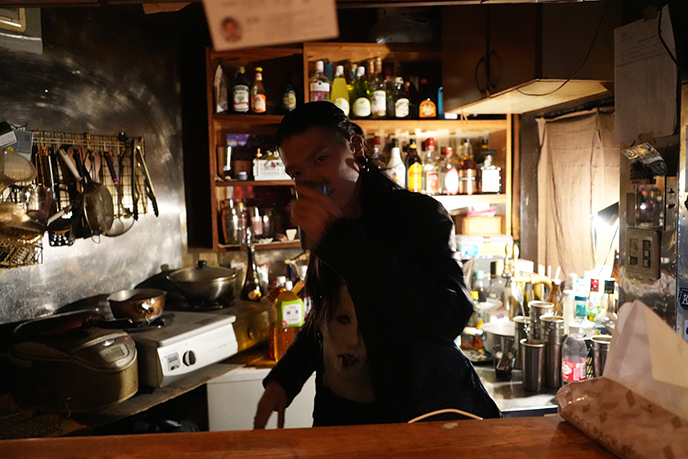
Info here about Ricky Bar in Shimo. He’ll play Goth, industrial and EDM tunes as he serves highballs, beers and snacks — it’s a regular spot for Tokyo’s Goths and bizarros to gather!
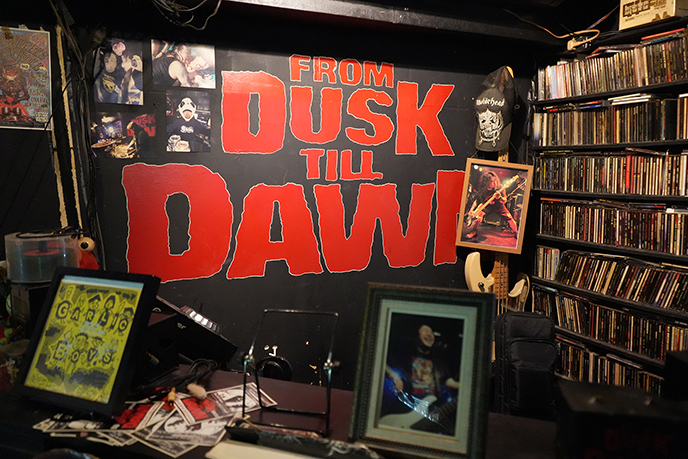
Although Shinjuku is full of tourists these days, it’s still ground zero for alt / hard rock / heavy metal bars. We love to stop by From Dusk Till Dawn, which has a retro horror theme.
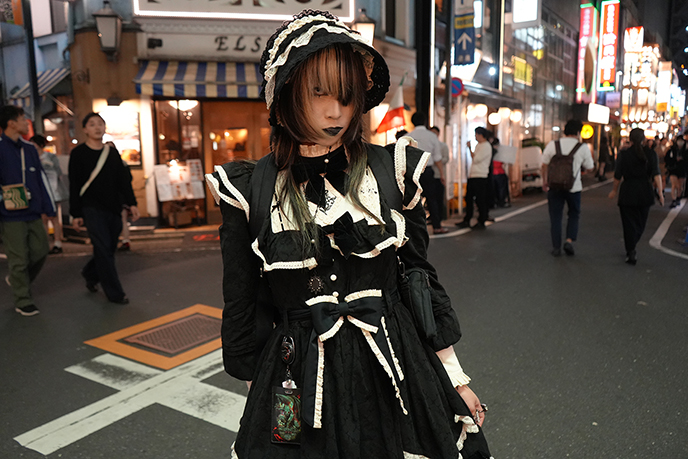
Mori rocks a classic Gothic Lolita look in the streets of Kabukicho.
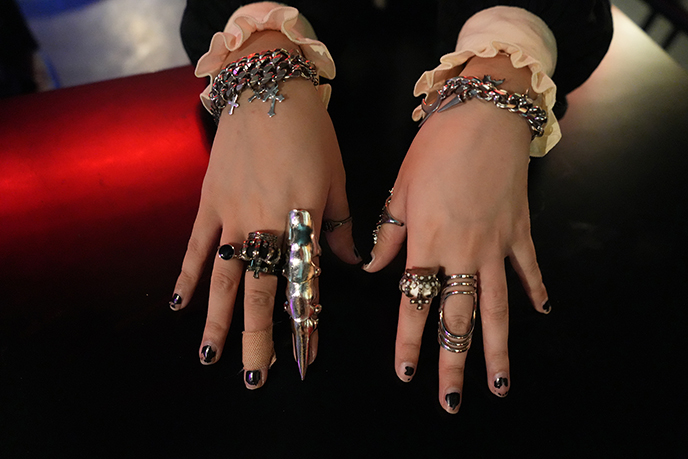
Details of their silver rings and Gothic cross jewelry.
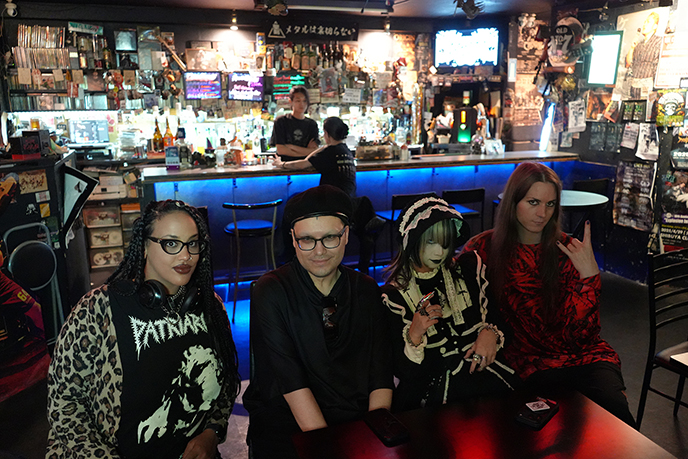
With Lilith, Noveli and Yukiro at From Dusk Till Dawn. You can request heavy metal or hard rock songs, and drink umeshu (plum wine) on ice.
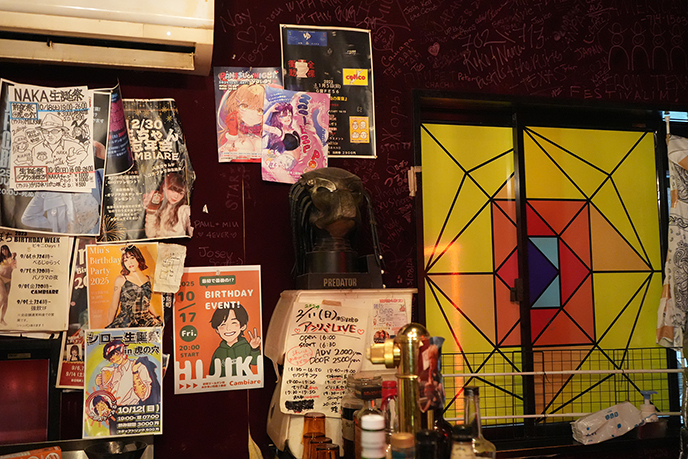
Cambiare is a Suspiria-themed little bar up a narrow set of stairs in Golden Gai, Shinjuku. Or it used to be… I sadly can’t recommend it in its current state of management. The Suspiria (Dario Argento 70s bloody supernatural horror) vibe has been papered over with random flyers, hip hop music blares, the drinks are bleh… It’s one of the many spots in Tokyo that was better back in the day, before the current over-tourism.
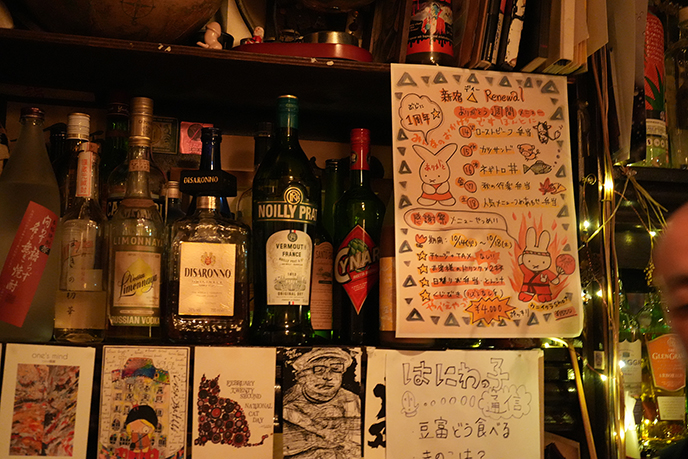
But there are under the radar places that still rock, like Bar Ame. Located in Shinjuku, it’s an artsy fortune teller cocktail hangout (and you can find Miffy bunny plushes and drawings throughout!)
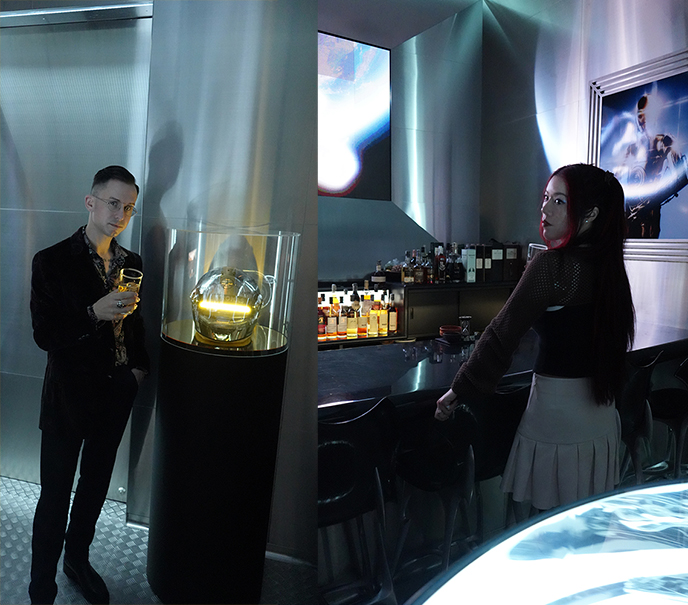
And we found a new spaceship bar, which has yet to be discovered by tourists… Nanzuka Taken! Located in Shibuya, it’s a sci-fi space themed bar with robotos by Hajime Sorayama and dark art by HR Giger
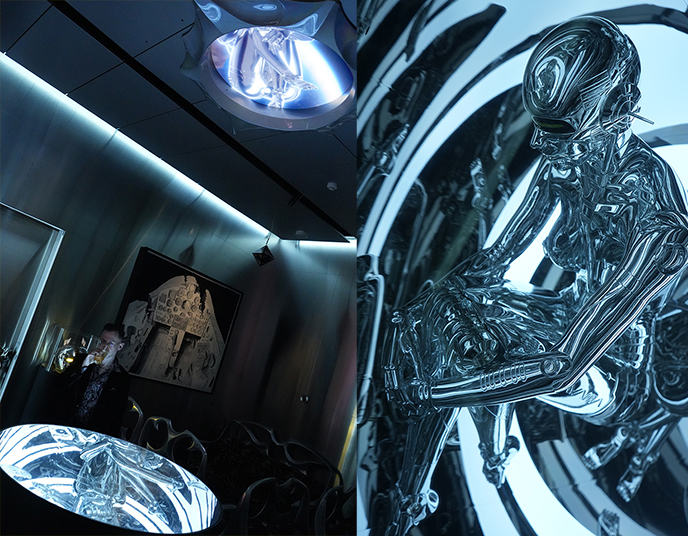
The main table is glowing with a sexy silver robot lady by iconic artist Hajime Sorayama. (Remember we saw his exhibit in Shibuya last time?)
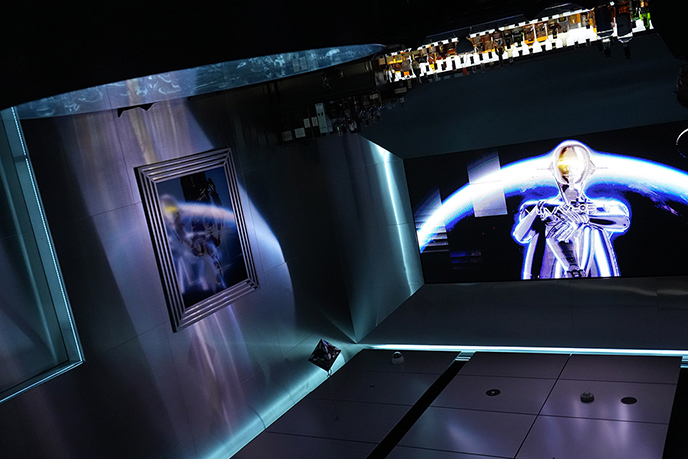
A must-visit for cybergoth aliens. Watch our reel about Nanzuka Taken to see these sleek projections in motion.
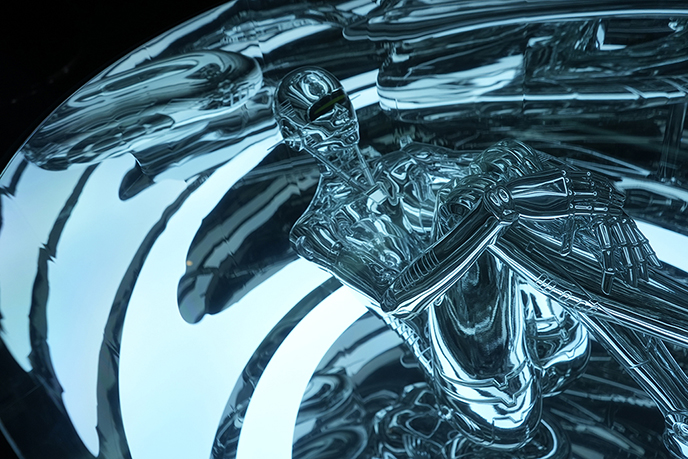
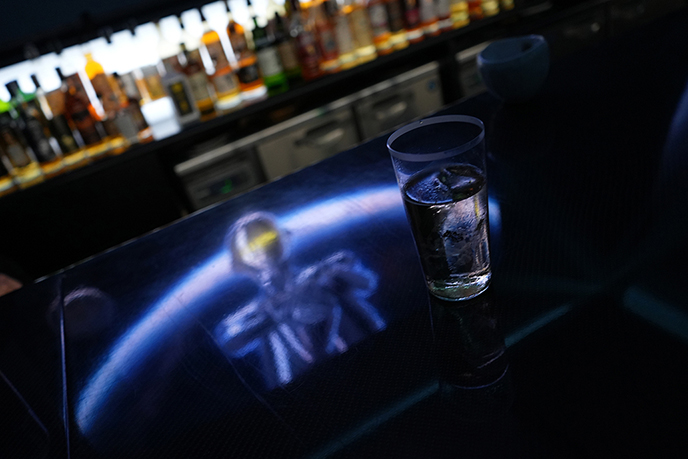
Everything is so shiny and chrime… you feel as if you’ve been teleported into the stars.
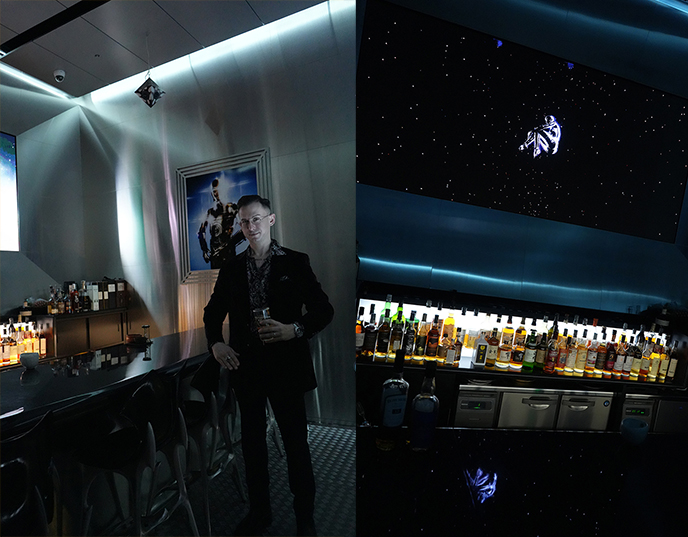
Drink whiskey cocktails while feeling like you’ve been abducted by aliens & are floating in space… now that’s a cybergoth sci-fi dream come true.
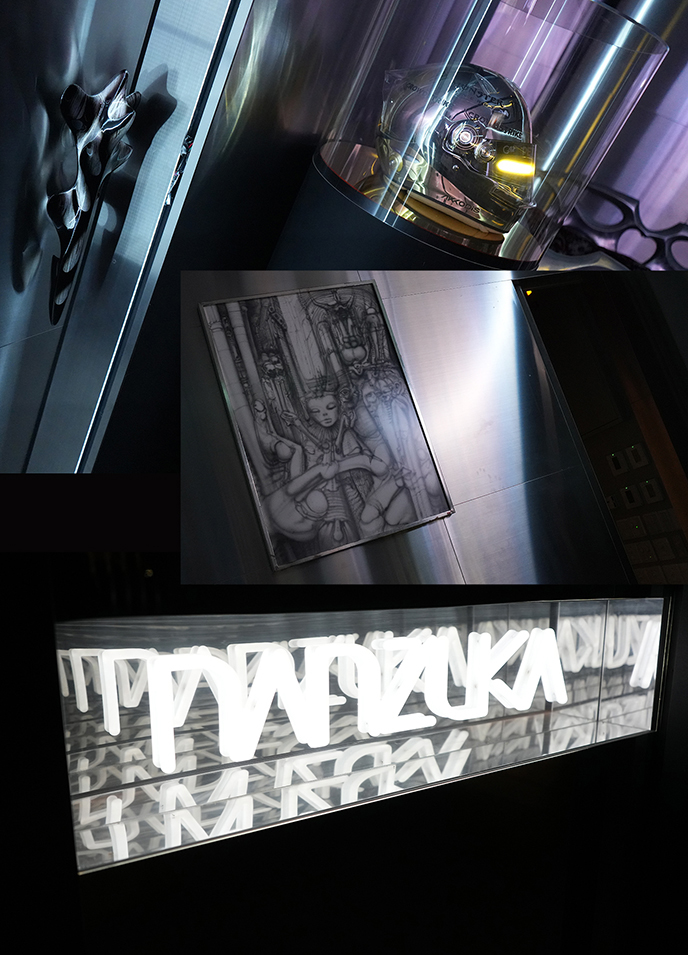
Tokyo used to have a H.R. Giger bar (like the Giger bar / museum I visited in Gruyeres, Switzerland) between 1989 and 1996 (the height of civilization!) While the Japan Giger themed bar is no more, there are some of his biomechanical works hanging on the walls of Nanzuka Taken.
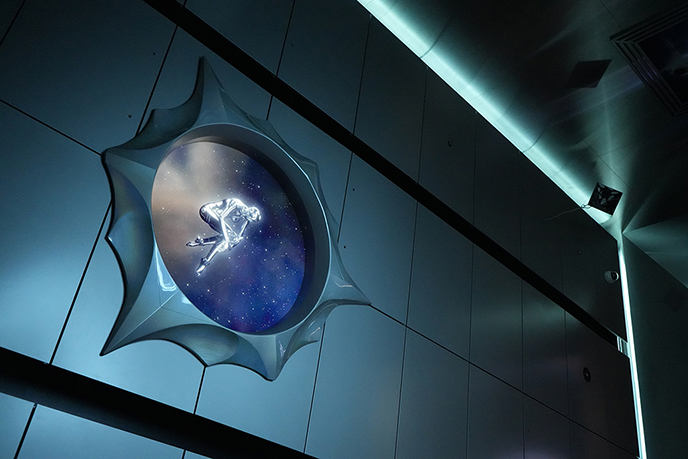
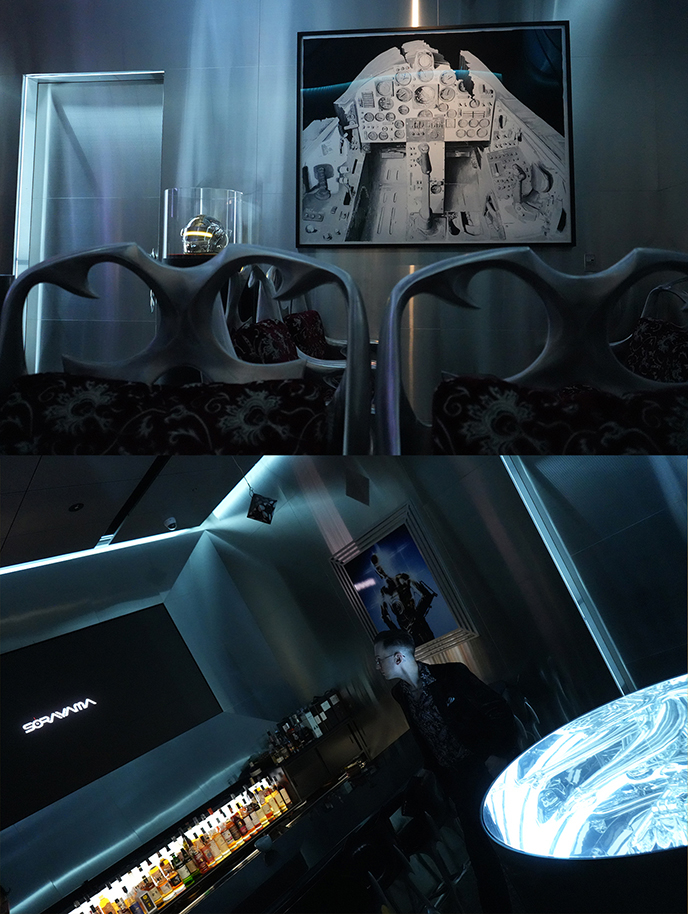
Even the metal futuristic furniture is custom-made!
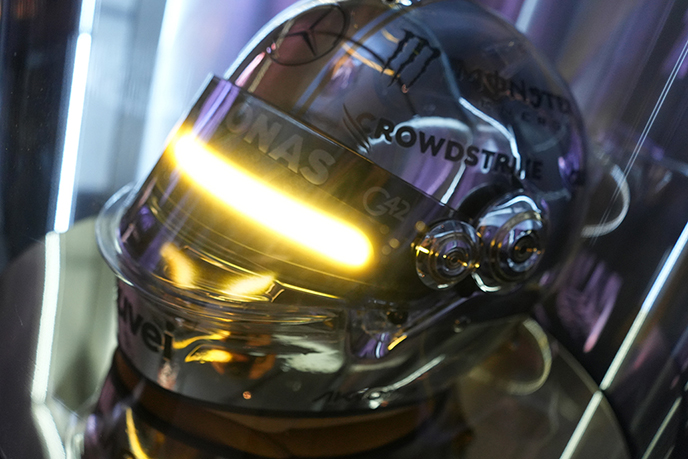
Sorayama’s glowing helmet in collab with F1’s Lewis Hamilton is on display.
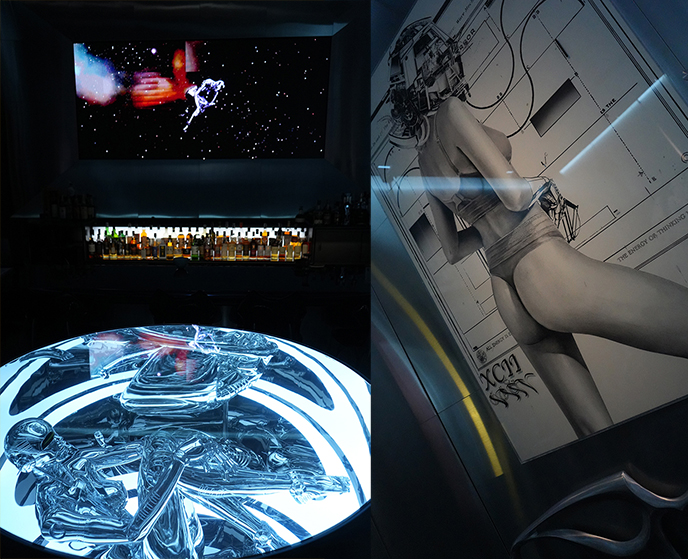
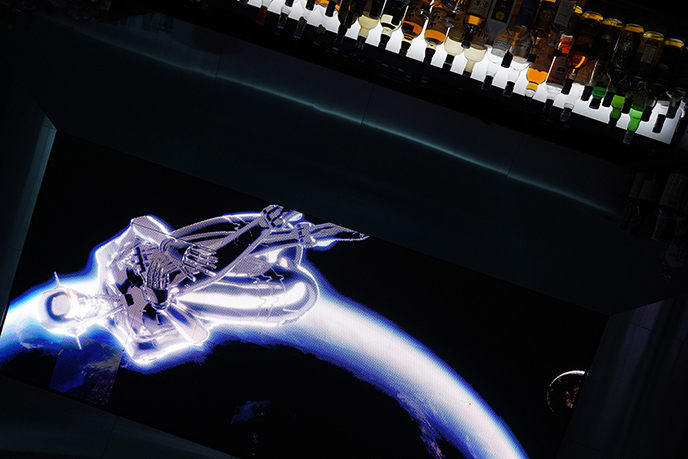
Take me back to Nanzuka Taken, the Hajime Sorayama bar in Shibuya! (See our reel for a peek inside.)
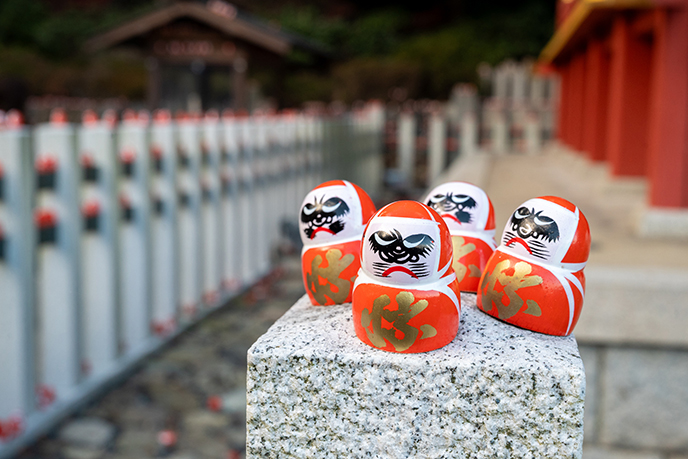
I’ll leave you with a few more recent adventures from Japan. Have you heard of Japan’s Daruma Temple Katsuoji, in the outskirts of Osaka?
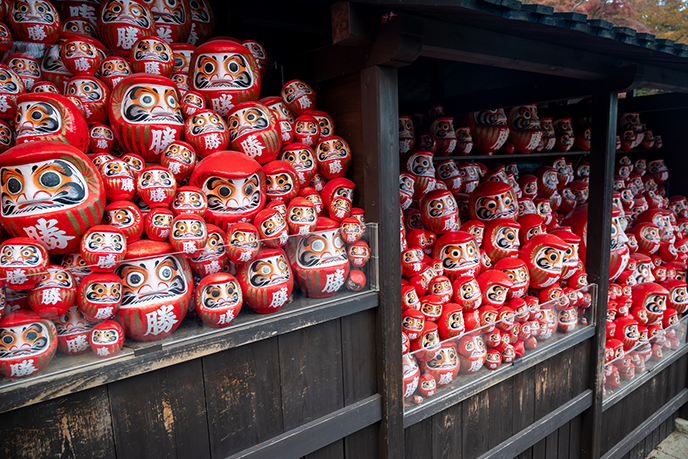
✨⛩️ It’s filled with cute red roly-poly dolls representing luck and perseverance (they’re the embodiment of “I get knocked down / But I get up again / You’re never gonna keep me down.”)
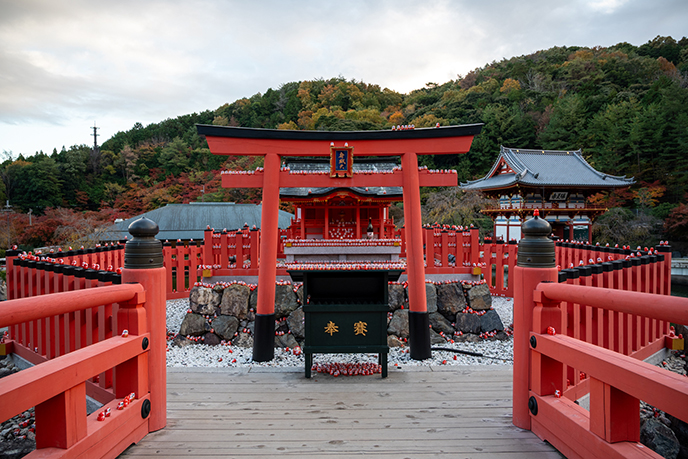
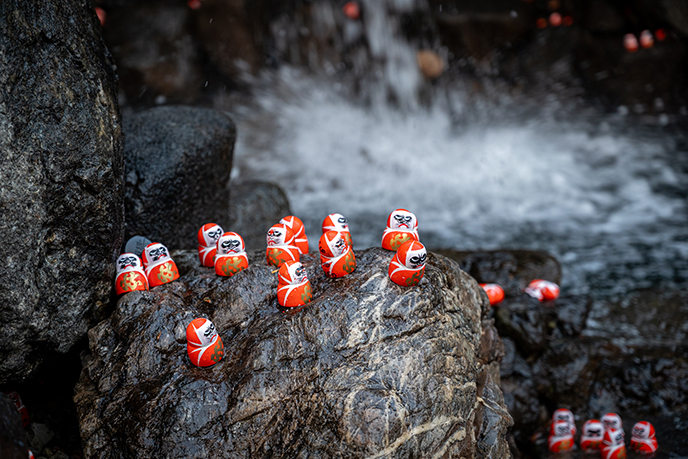
Joey Wong took these images of Katsuo-ji Temple, home to thousands of Japanese #daruma (which were invented in the 17th c, inspired by plump Buddhist monk Bodhidharma).
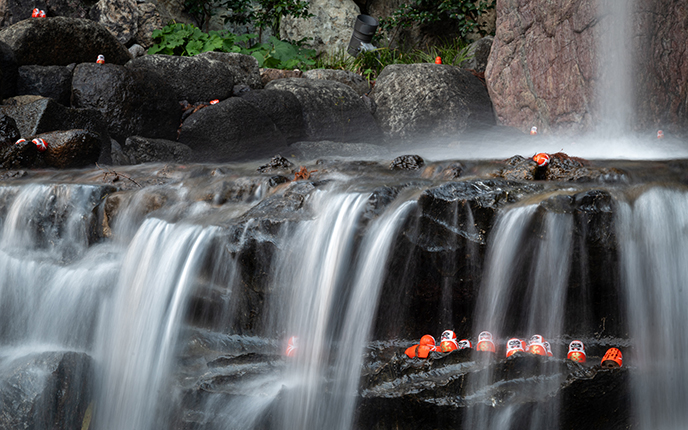
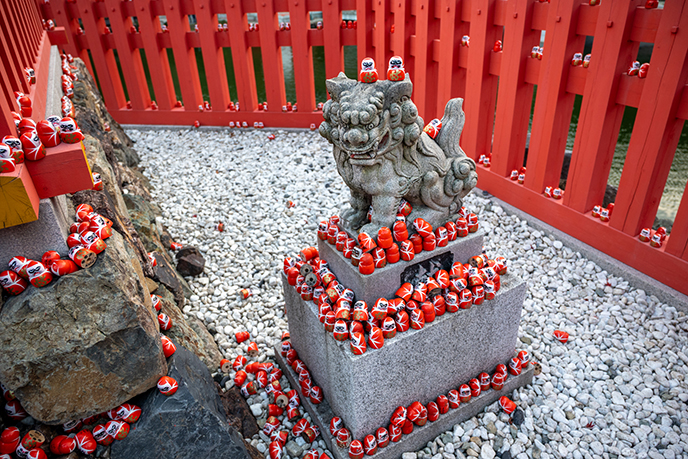
His travel tips: Take a 1 hour bus from Osaka, arrive around closing to avoid crowds, come in autumn for vibrant colors, collect stamps around the grounds for a neat postcard souvenir, and combine your visit with nearby Minoh Falls.
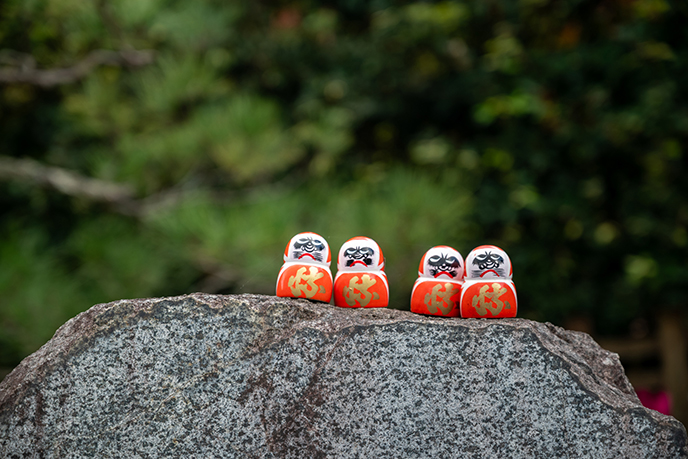
See all his images from Katsuo-ji Daruma Temple outside Osaka here on @lacarmina IG.
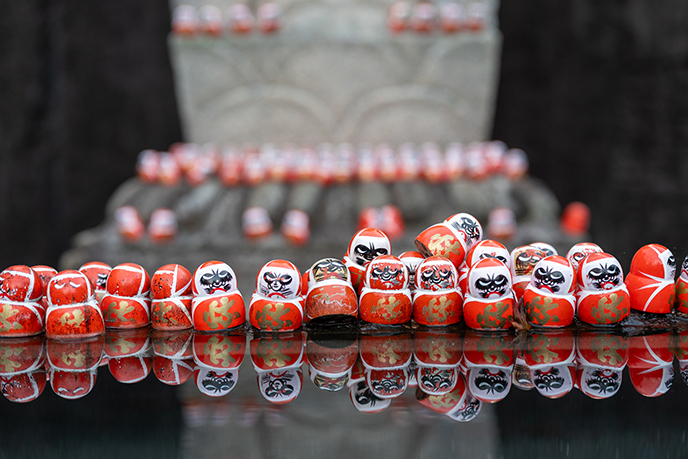
Have you been to a themed Buddhist temple or Shinto shrine in Japan? There are many dedicated to foxes, onigiri and more… I even went to a hell temple in Osaka, pentagram temple in Kyoto, and two cat temples/shrines in Tokyo!
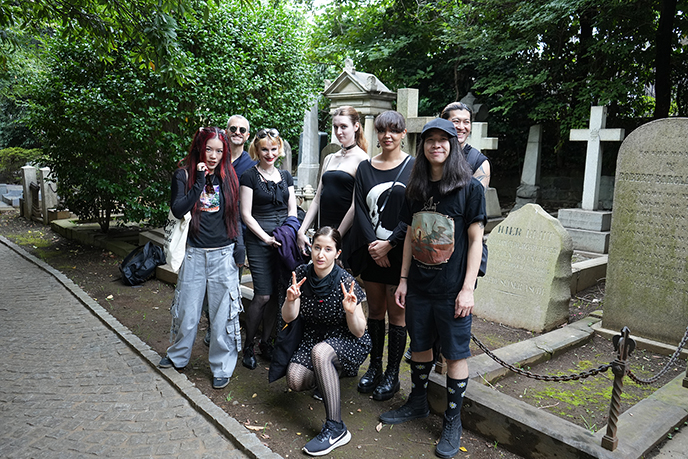
I wanted to close by sharing a special day with my Tokyo Goth friends at Yokohama Cemtery. Missing you, Kuroe Akiwake… can’t believe it’s been 2 years since our alien idol ascended to an alternate plane, to use her lexicon. (Grateful we got one final adventure at the Tokyo tarot museum and cafe.)
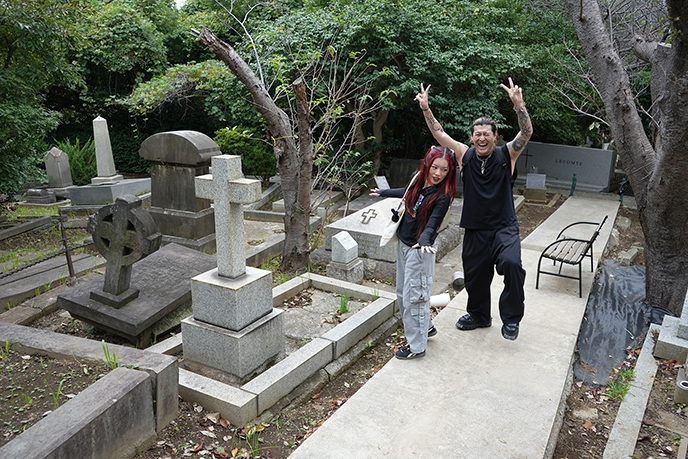
Our Tokyo Goth crew wanted to give Kuroe a send-off worthy of her passions and power (if you ever met her, you’ll know what I mean).
One of her final messages to me suggested a plan for when I was in Japan: “What if we paid a visit to Yamate in Yokohama, to look at the fancy foreign diplomat houses, and paid a visit to the “foreigners’ graveyard” there? It’s super goth and cool and I haven’t been there in like ten years. Maybe we could go in a group if people are free. We could take the scenic walk along Yamashita Park and Osambashi, too. Maybe eat some food in Chinatown.”
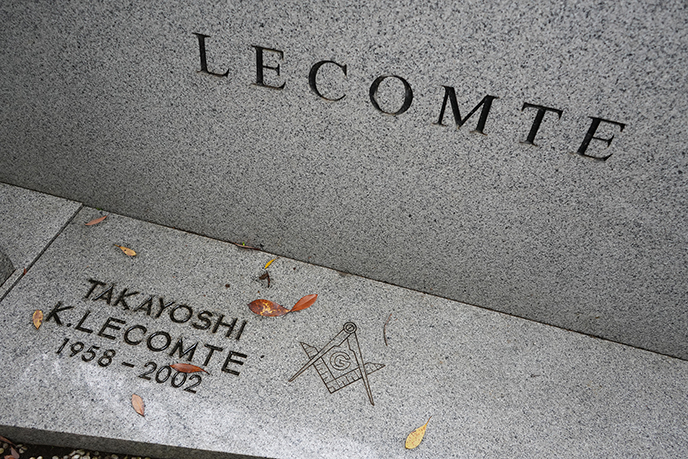
Life got busy and we didn’t end up making this happen. But last fall, my friends and I executed this day out in her honour – and as you can see, it was absolutely fabulous. (We were intriged by the freemason symbols we saw on the tombstones throughout Yokohama Foreigners Cemetery!)
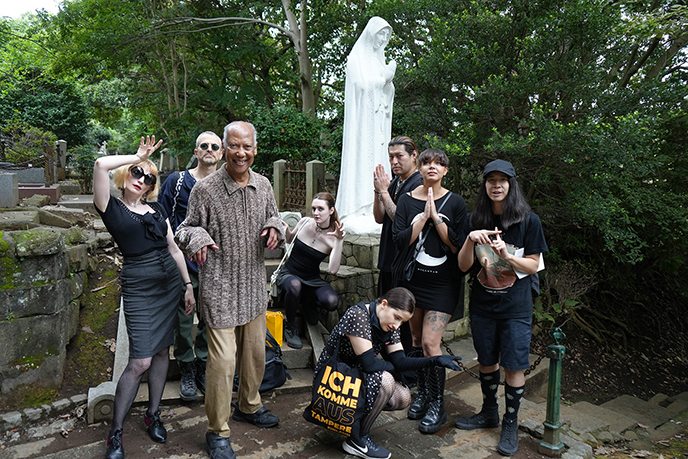
See the full IG post and photos about how we honored Kuroe here.
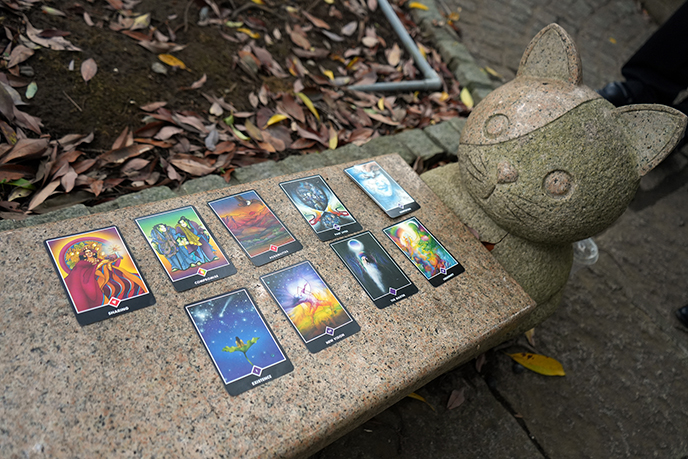
We did a tarot card ritual together in her honor. (This is my cult-y Osho Zen Tarot deck.)
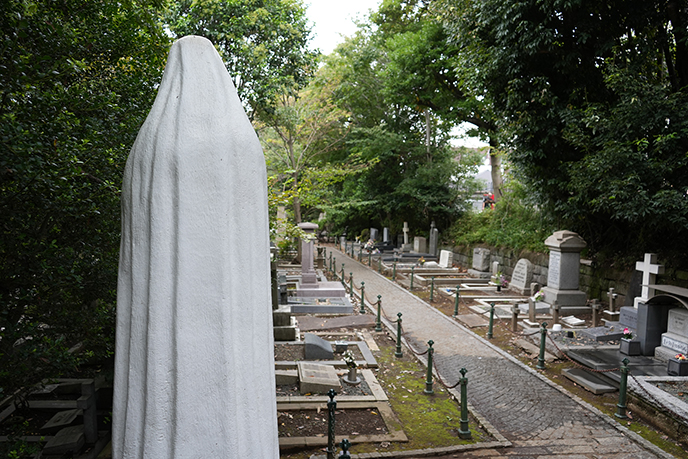
You’ve made such an impact on the people in your life, Kuroe, and we will always be with you.
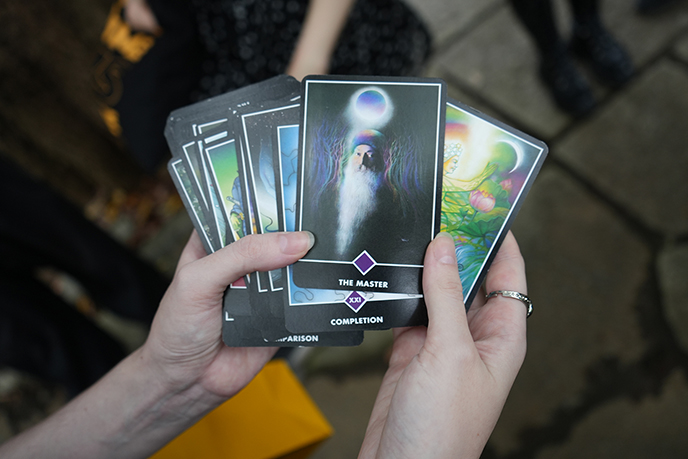
What’s next in the cards? I’ll keep on keeping on… More Japan alternative Goth dispatches to come, as well as reports from my travels in Africa, Europe and Central Asia.
Find me on @LaCarmina Instagram, and comment if you have any questions about Tokyo Goth nightlife, subculture, parties — or anything at all!
 LA CARMINA


