Tohoku, Japan: travel, restaurants, food guide! Aomori apples, Hachimantai Iwate Geibikei Gorge, Morioka wanko soba.
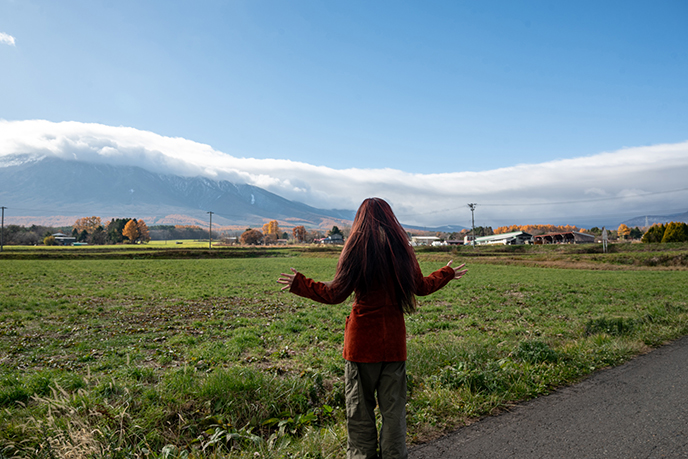
Tohoku, Japan – I love you!
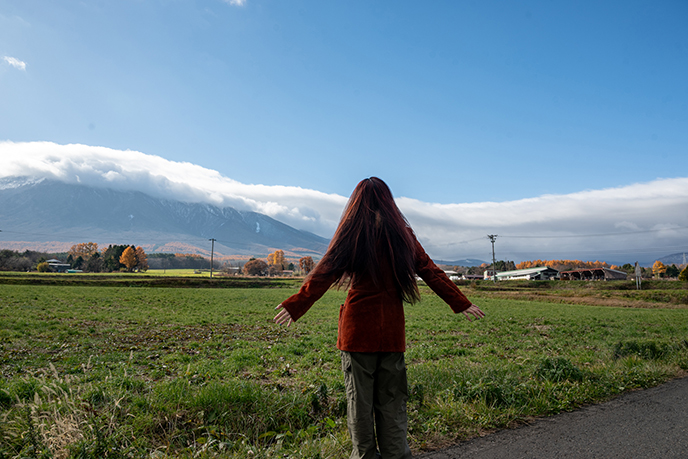
I’m a huge stan of Tohoku, the laid-back and mountainous region north of Tokyo that extends to the tip of Honshu Island (the landscapes look straight out of a Ghibli anime film). Last November, I returned to several areas and filled my cup with the phenomenal food, natural hot springs, and stunning cultural and outdoor experiences.
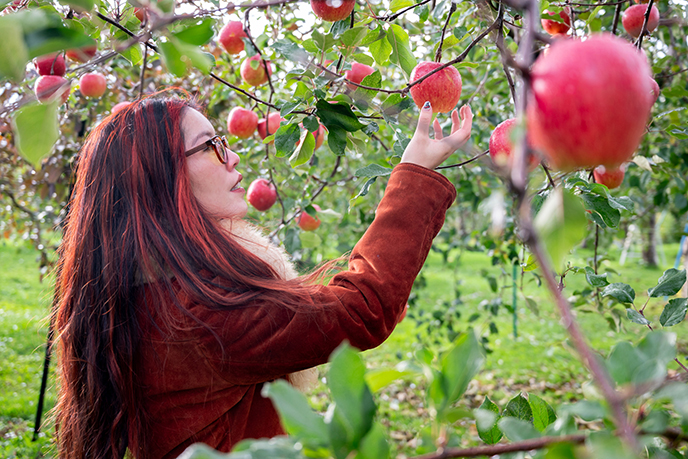
Traveling in Tohoku’s six prefectures (Aomori, Iwate, Miyagi, Akita, Yamagata, and Fukushima) feels like a throwback to 1990s Japan. Unlike in the currently way-overtouristed major cities, I can experience traditional culture, food, and adorable activities like apple picking without running into crowds of foreigners.
Read on for a travel and restaurants guide to Tohoku, featuring photos by Joey Wong!
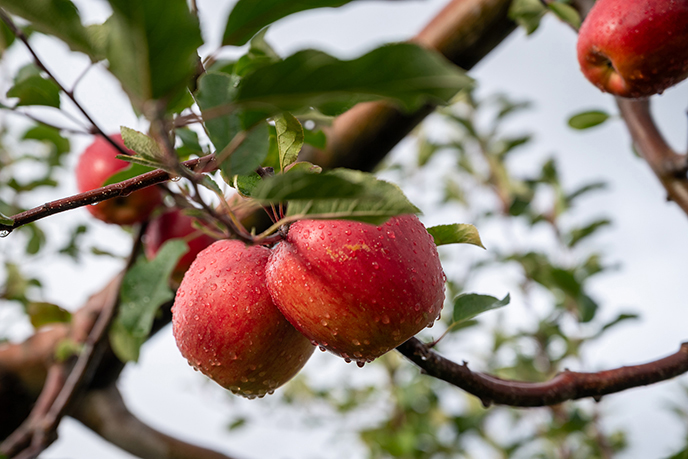
How do you like them Aomori apples? Northern Japan’s fruits are as fabulous as you can get, especially after a light rain. You can take a quick, inexpensive flight from Tokyo to Aomori to reach this prefecture located south across the water from Hokkaido.
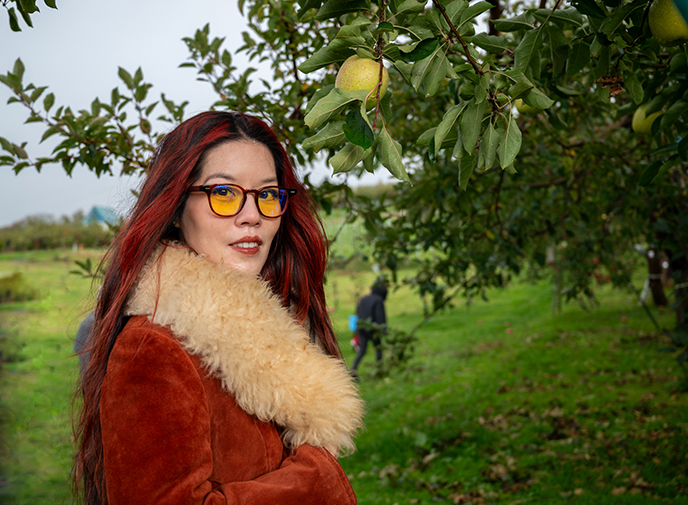
We picked apples straight from the trees at this Kuroishi, Aomori farm… it was like being the main character in a pastoral anime.
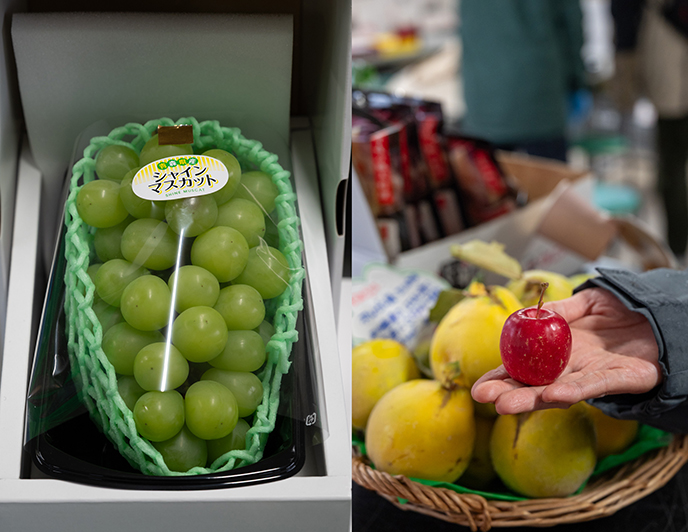
Tohoku is also known for its mouthwatering grapes, pears, cherries, and other produce, which flourish in the rich soil and temperate climate.
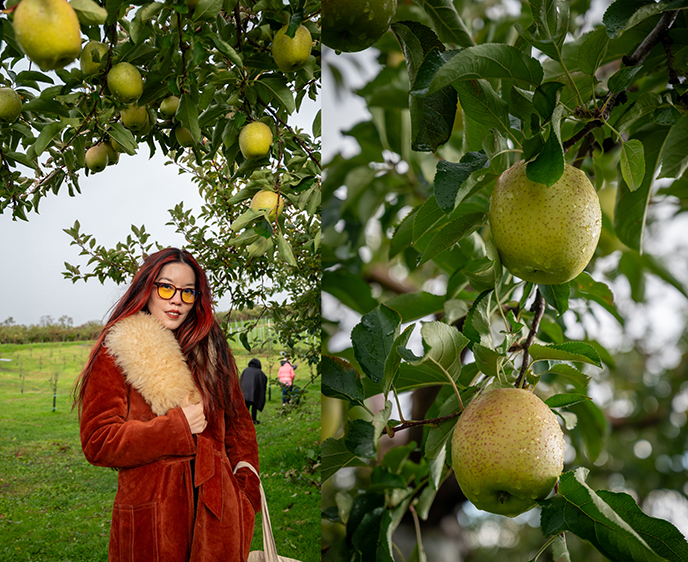
Ah, what I’d do for another bite of these crisp, juicy apples… Pics Joey Wong.
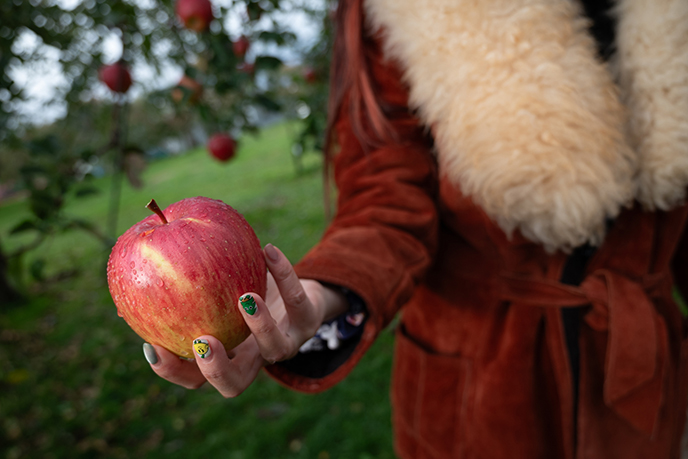
Close-up on my Tohoku mascot themed nails by Glam Nail Studio in Vancouver, BC. The vintage 1970s sheepskin and suede coat is from a Parco Shibuya vintage boutique. (No microplastics to be found here!)
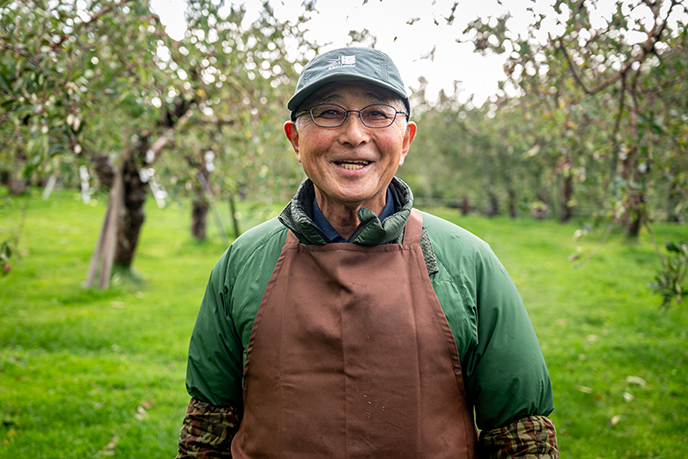
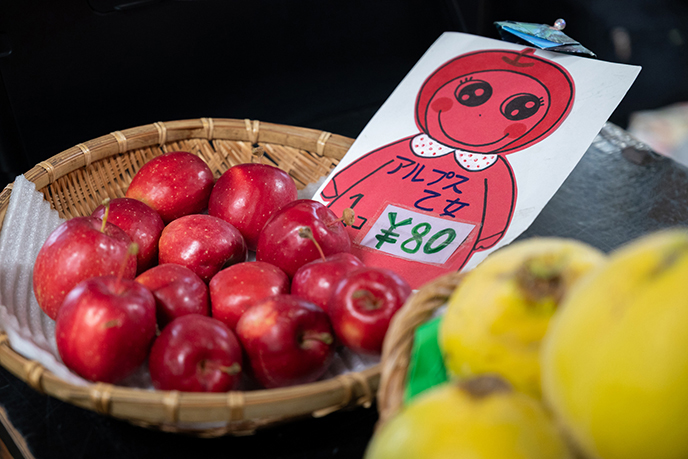
The Kuroishi apple farmer looked a bit like an apple… how sweet!
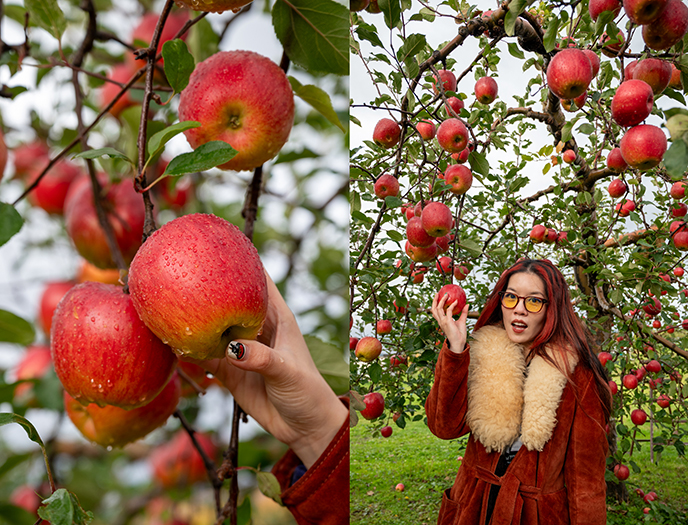
I say you haven’t lived until you’ve snatched an apple straight off a branch and bitten into it.
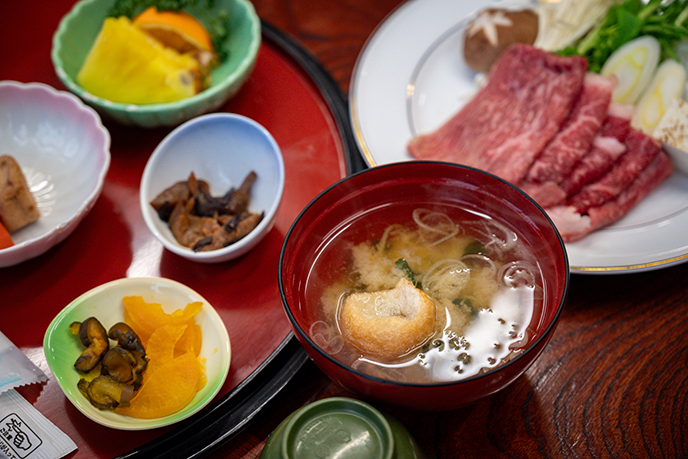
Speaking of mouthwatering food… we ate sukiyaki (beef and veg dipped into hot broth) before exploring the nature destination of Ichinoseki, Iwate. The Pacific Ocean’s currents create a thriving environment for fish and seafood, while the region’s rugged terrain is ideal for farming and raising cattle.
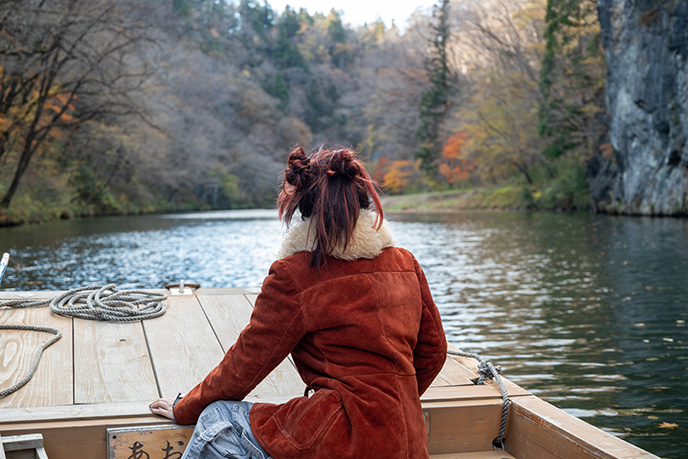
“The maple leaves here were especially beautiful, so thick as to blot out the white ribbon of the falls and stain the water at the edge of the pond a deep scarlet.” – Spring Snow (1969) by Yukio Mishima. The brilliant novelist’s words came to mind as we glided through Geibikei Gorge in south Iwate.
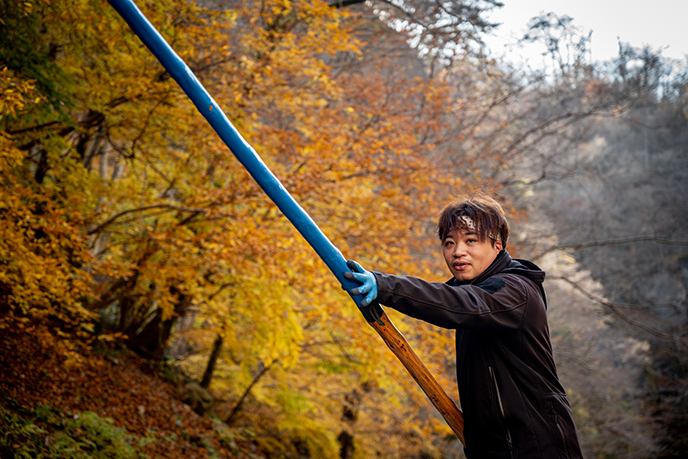
As he steered with the long pole, the boatman serenaded us with an a-capella folk song! You can hear him singing here (swipe the carousel for the video).
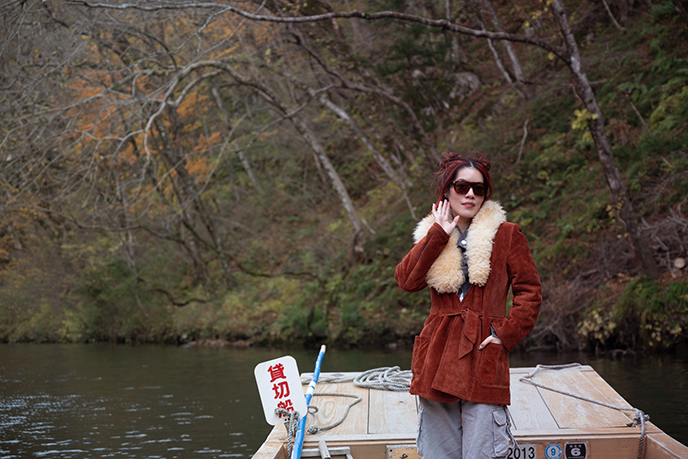
Iwate, Tohoku the only place in Japan to experience a traditional flat-bottomed boat ride between fiery rock cliffs.
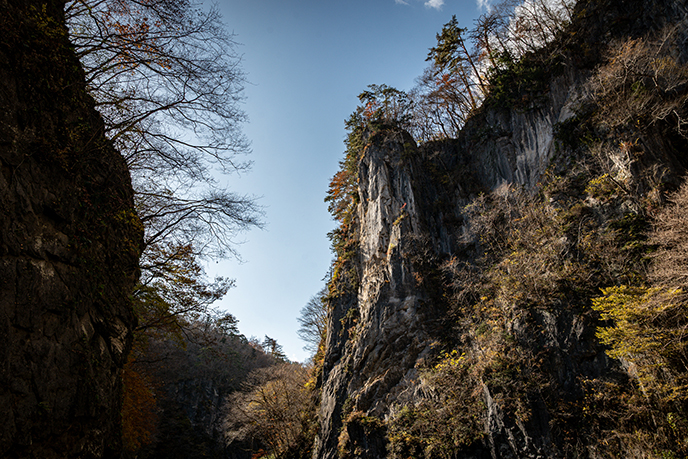
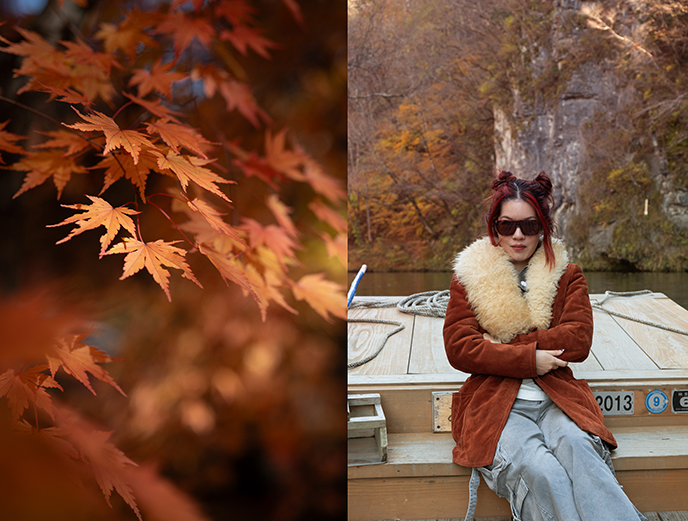
And this, my friends, is why you should avoid the over-touristed Japanese cities and go north to this gorgeous region — especially in the fall for leaf peeping.
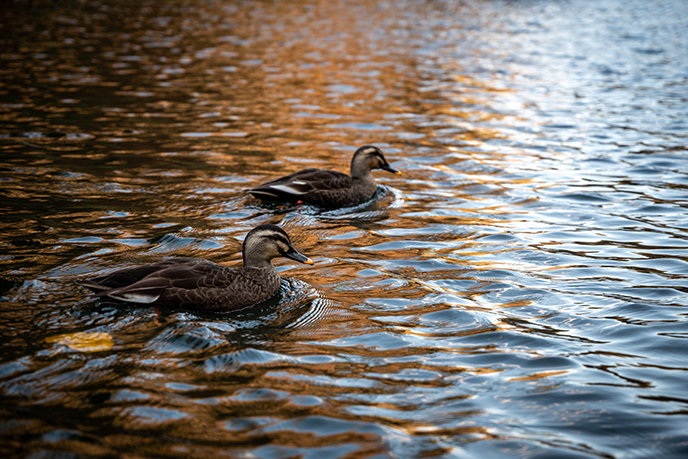
The oarsman gave us bread to feed the ducks that swam next to our long boat.
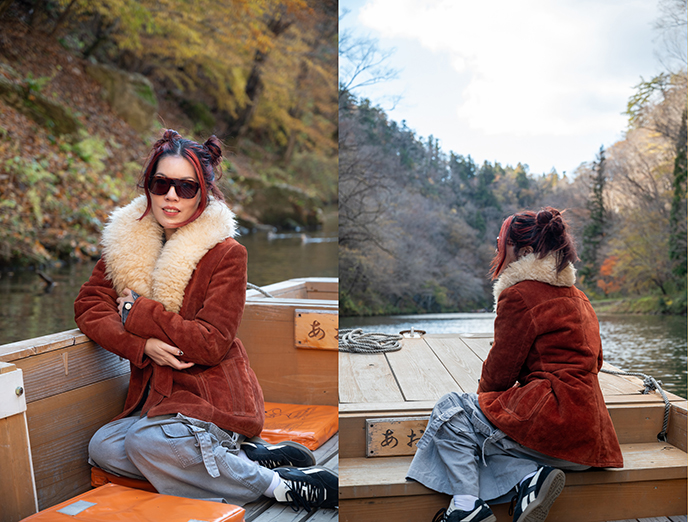
It’s giving Jim Jones… my 70s style sunglasses by Arena Eyewear match the mood of my vintage leather and sheep collar coat.
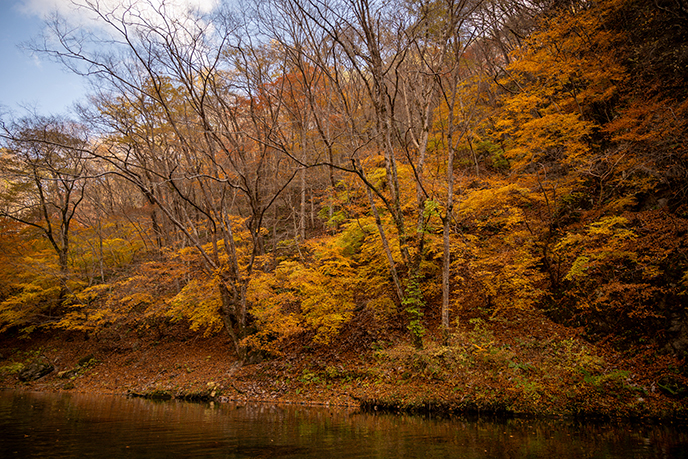
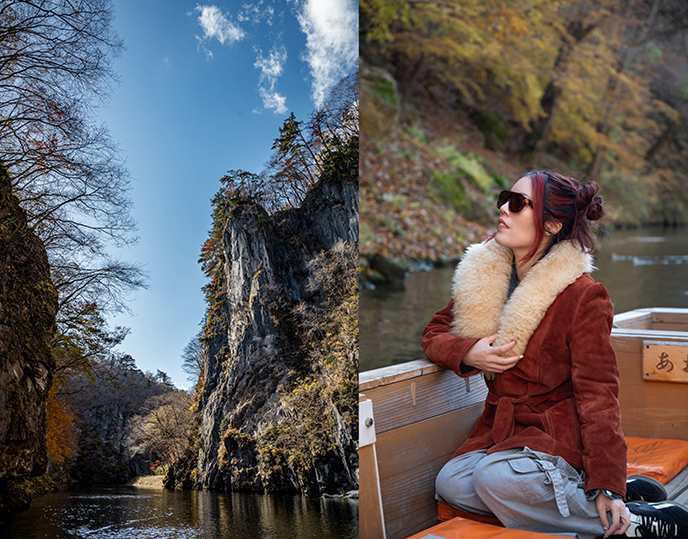
I think it’s obvious why autumn is my fav season for visiting Japan! (I try to avoid the overly hot and humid summers, jam-packed sakura season in spring, and chilly winters.)
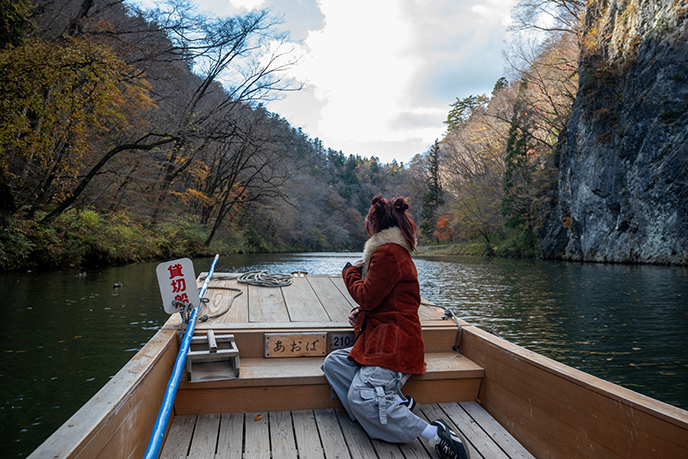
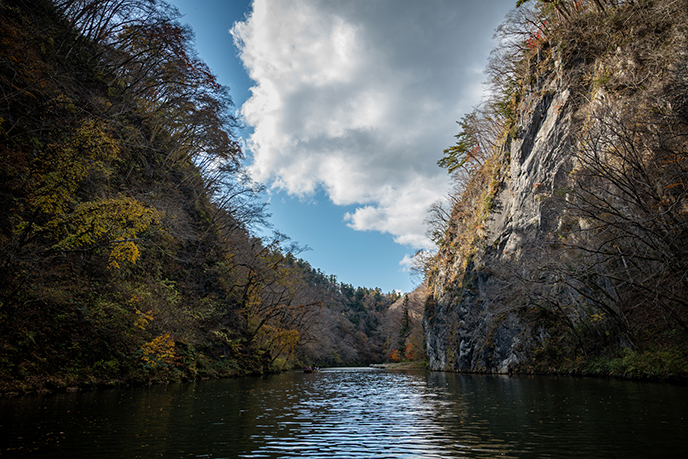
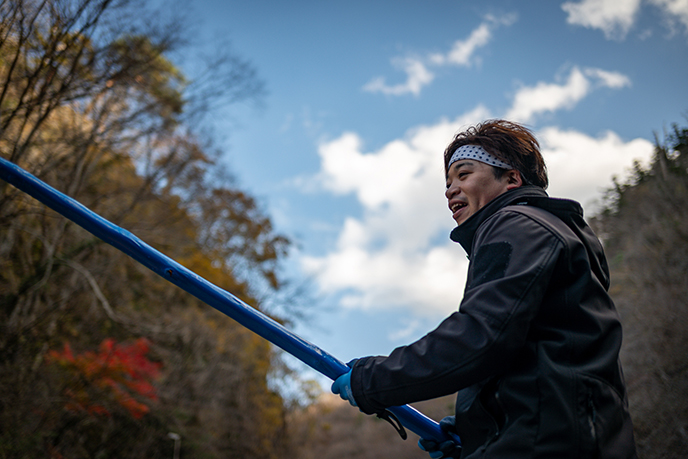
Being ferried through the high rock cliffs of Iwate’s Geibikei Gorge by a folk-song-singing oarsman… now that’s a Japan journey to remember.
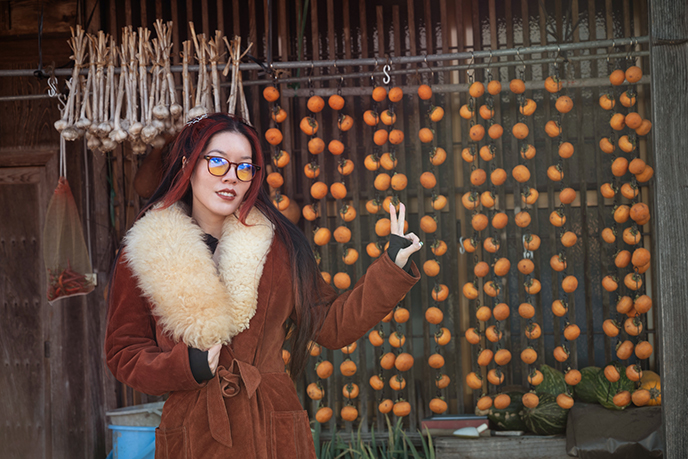
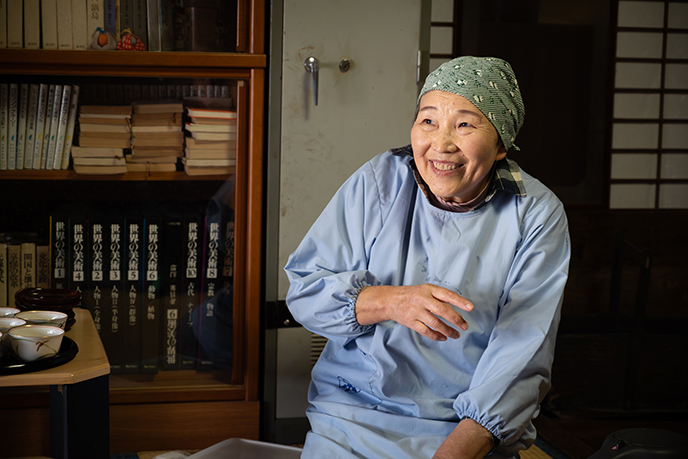
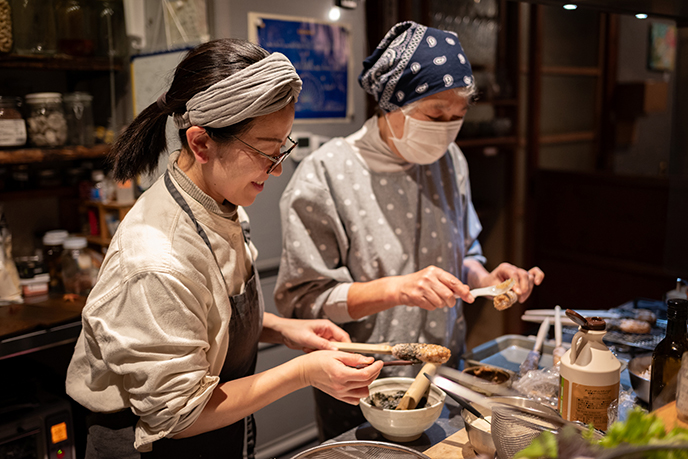
There’s so much meaningful food and culture to experience throughout Tohoku. One of our favorite moments was taking a cooking lesson with the adorable Grandmother Hitomi at her farmhouse in Hachimantai, Iwate, Japan.
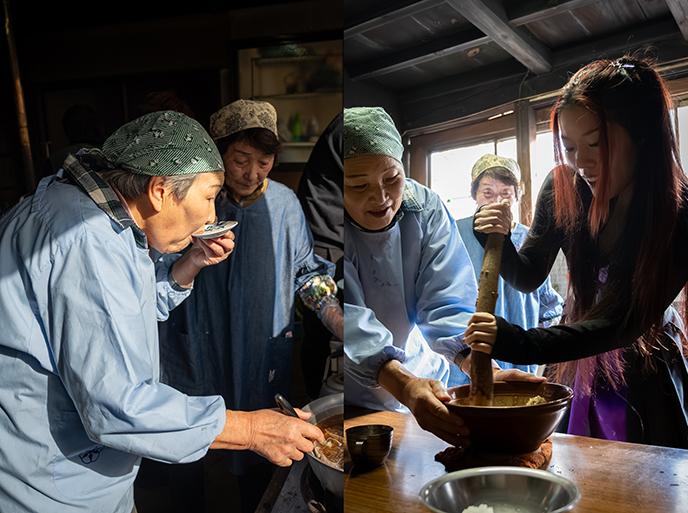
In this new feature, I chatted with Voyapon about why I keep returning to the region north of Tokyo, esp for its culinary culture. “In Hachimantai, Iwate, I took a cooking class with the adorable Grandmother Hitomi. Her charming, rustic home felt straight out of a movie set, and she had a constant smile on her face as she taught me how to grind miso paste, brush it over rice on a stick, and grill this comforting dish over charcoal.”
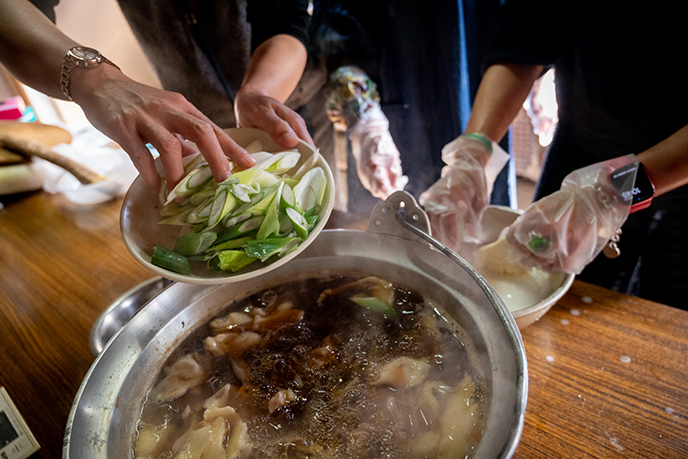
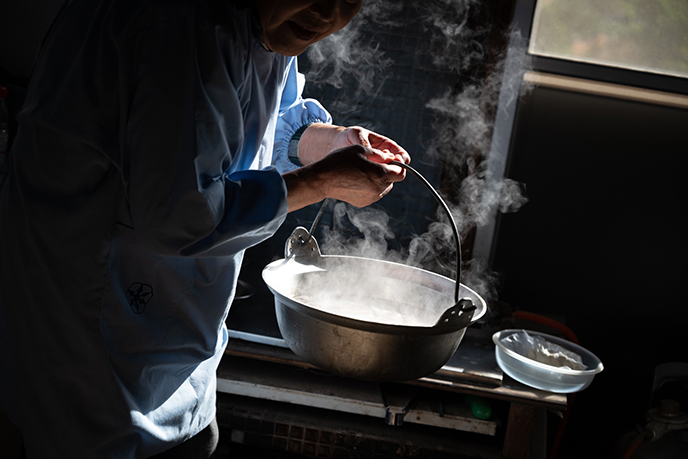
She taught us how to make regional homestyle dishes like this hearty vegetable soup. Her traditional farm house was beyond cinematic (images by Joey Wong).
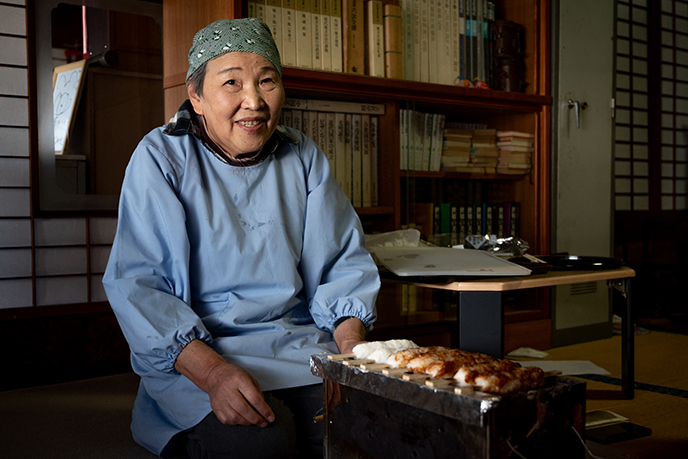
Grandma Hitomi Sato is remarkably independent and sprightly. She makes meals out of the fresh ingredients grown in her garden, which are enriched by the fresh mountain water.
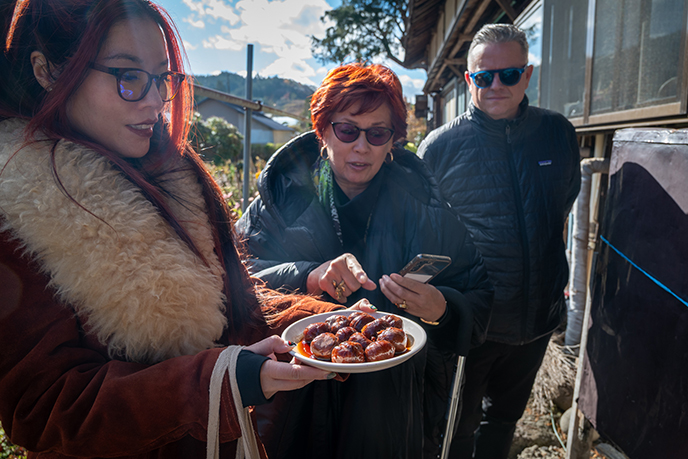
We tried these seasonal chestnuts… delicious! (With Janet Cam and Nevin Martell).
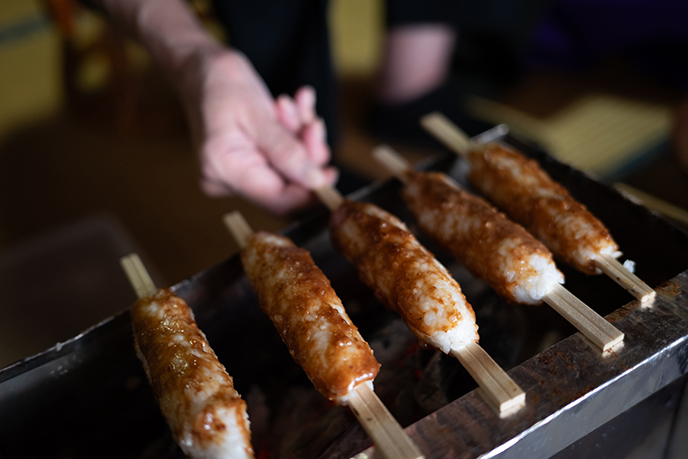
Grandmother Hitomi taught us how to make regional kiritanpo, or rice sticks brushed with miso paste and grilled over charcoal. Talk about a warm and comforting snack.
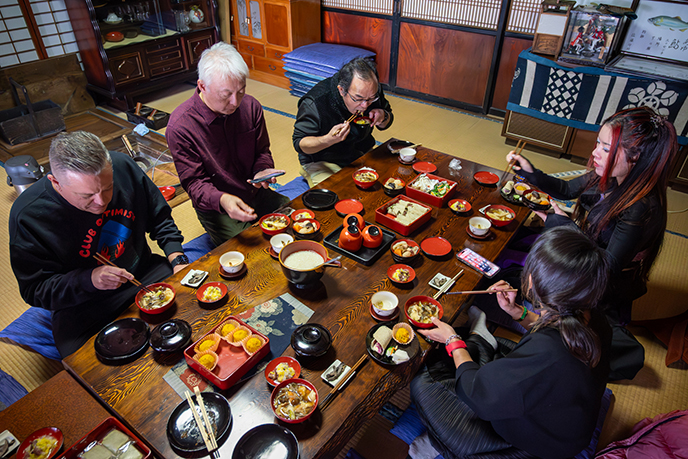
We sat down to a diverse meal that included mountainside mushrooms, pickled vegetables, and her handmade soba noodles.
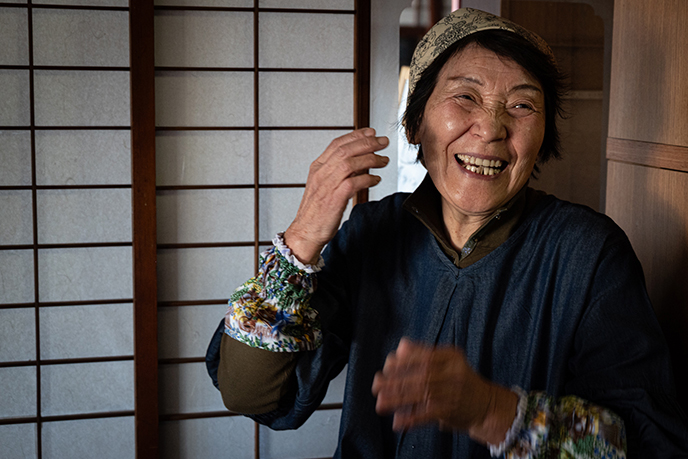
You can’t help but smile when in the presence of these kindhearted grannies!
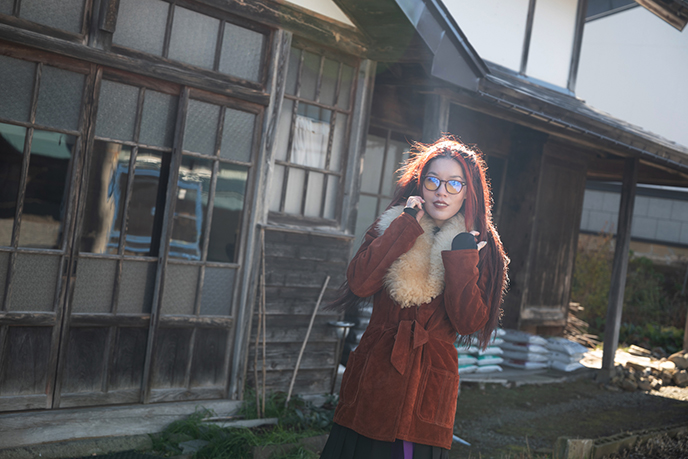
My blue-light blocking glasses are by Gunnar Optiks.
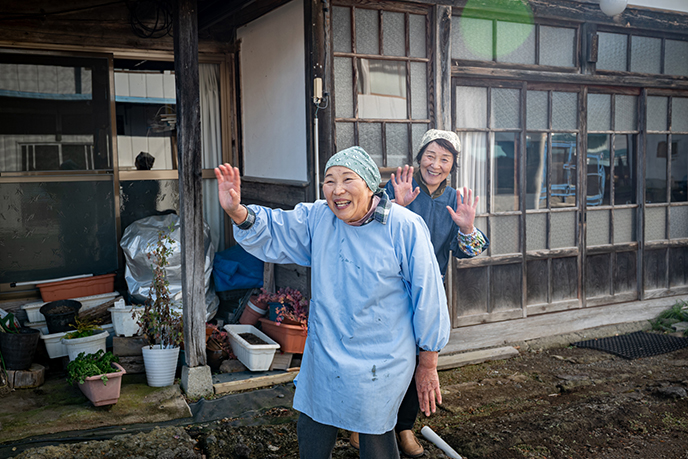
The sweetest bye-bye… I hope you’ll get a chance to travel to Hachimantai for a cooking class and lunch with Grandma Hitomi!
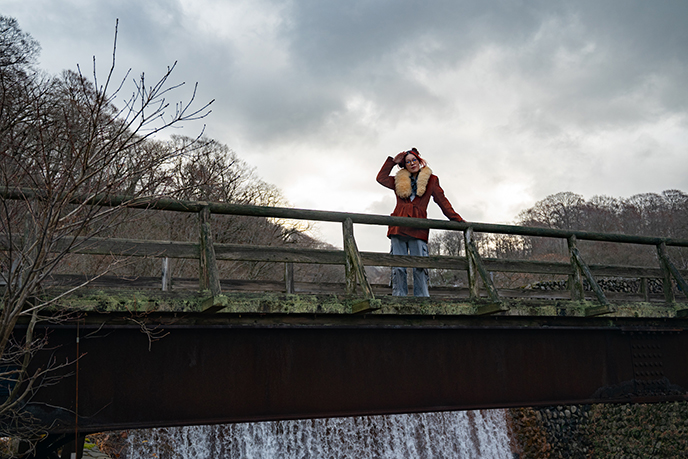
Time to chill at the dreamiest Japanese hot springs: Nyuto Onsenkyo Magoroku Onsen Rokuan in Akita, the northern Honshu prefecture known for its snowy peaks,
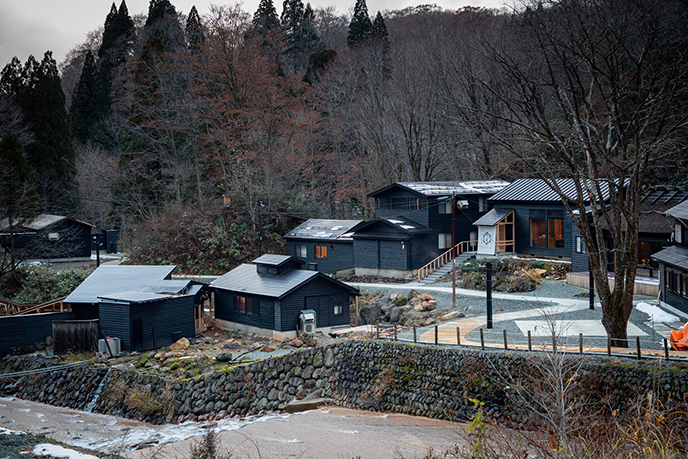
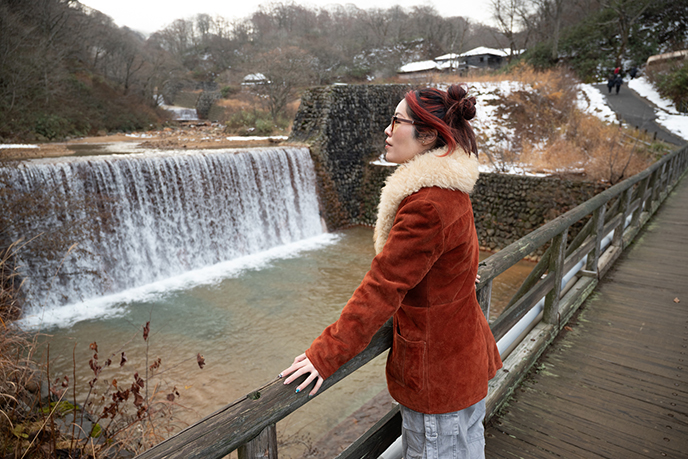
Located in the misty mountains of Nyuto Onsenkyo, Magoroku Onsen Rokuan was founded in 1902. It’s located in a natural onsen area favored by the samurai.
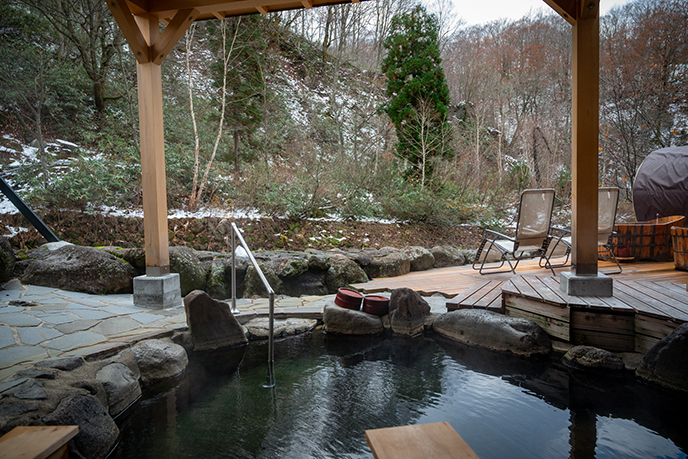
There were a variety of soaking options, including mixed gender shared outdoor baths. My room had its own outdoor open-air bath on the patio — a dream come true.
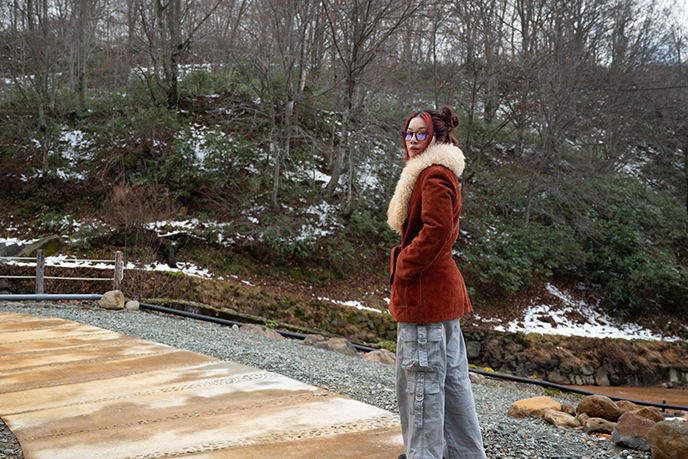
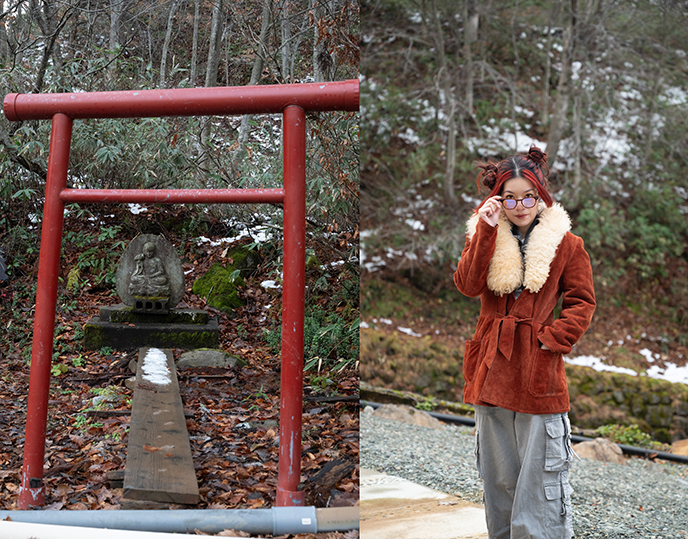
Watch my video to see me relaxing in my private open-air bath surrounded by beech forests and rugged snow-topped mountains. (Sound on, as the soundtrack is from Kill Bill and Lady Snowblood!)
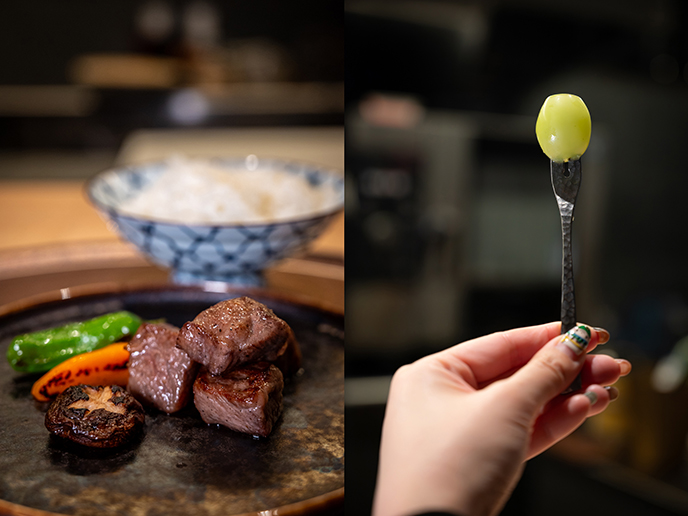
One of our favorite dining experiences on the trip was — unexpectedly — at Nyuto Onsenkyo Magoroku Rokuan. I’m still thinking about the set menu that included juicy local beef with vegetables, and fresh fruits…
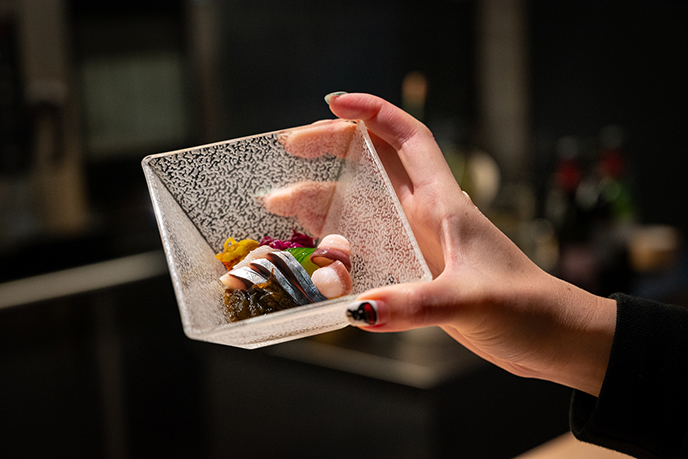
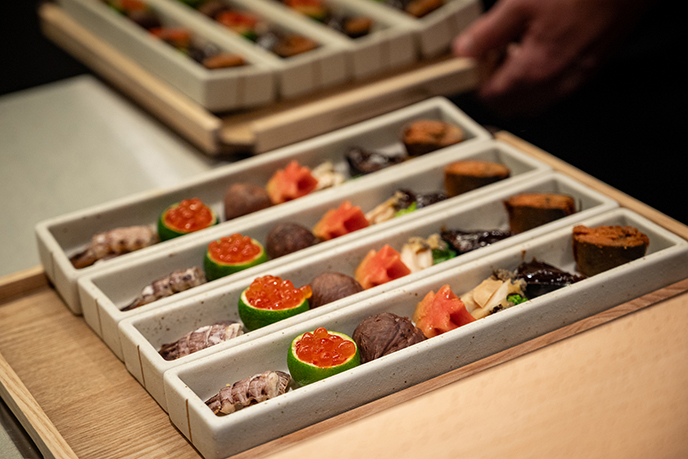
Musubi-an Restaurant offers local, seasonal flavors (such as chestnut and sashimi), which are testament to the exceptional culinary culture of Tohoku.
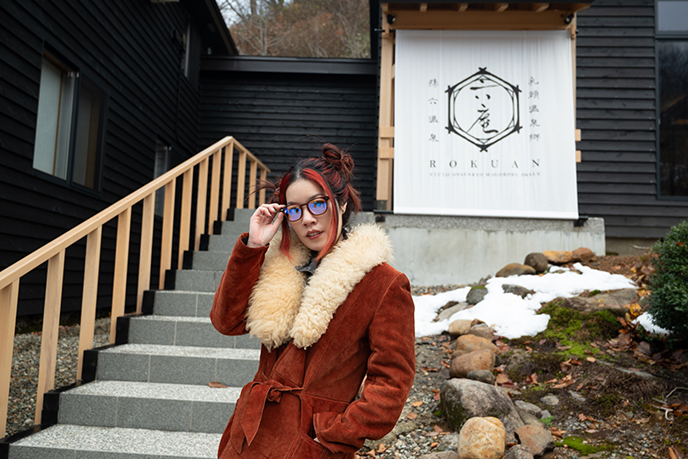
Watch my reel from this Akita onsen ryokan. Wouldn’t you like to run away and relax here?
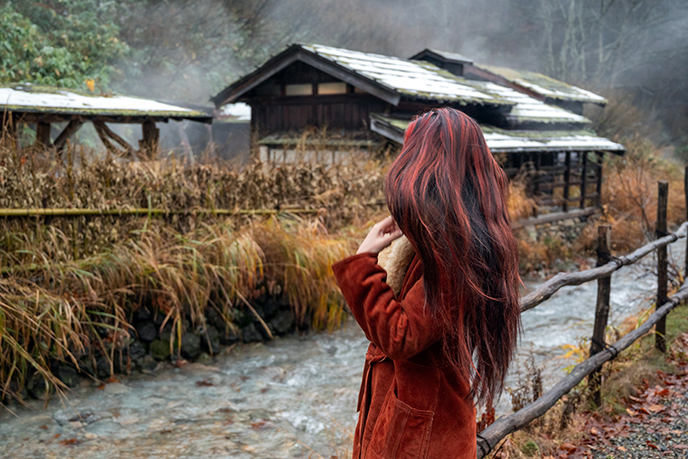
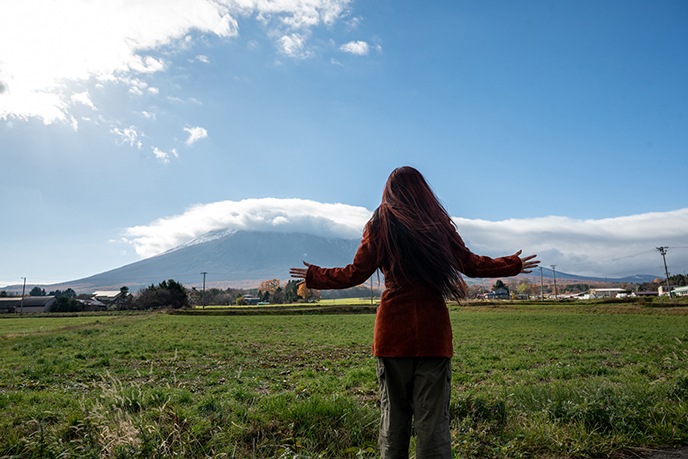
Tōhoku is easy to reach by bullet train, which lets you get away from the insufferable tourists that are currenly overrunning Tokyo, Osaka and other major centers.
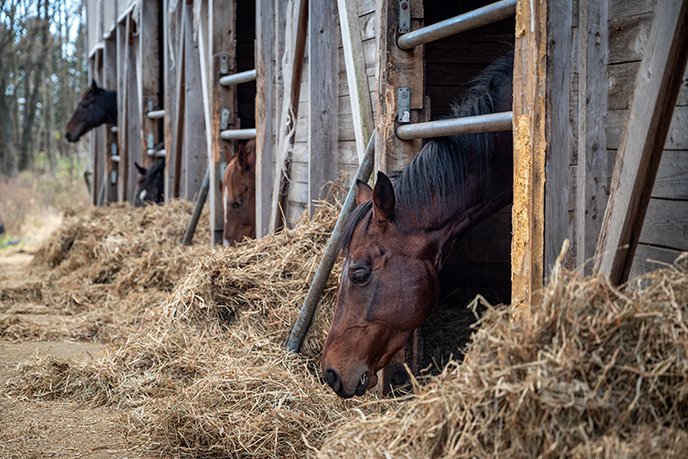
We ushered in the Year of the Horse at the sustainable Geofarm Hachimantai.
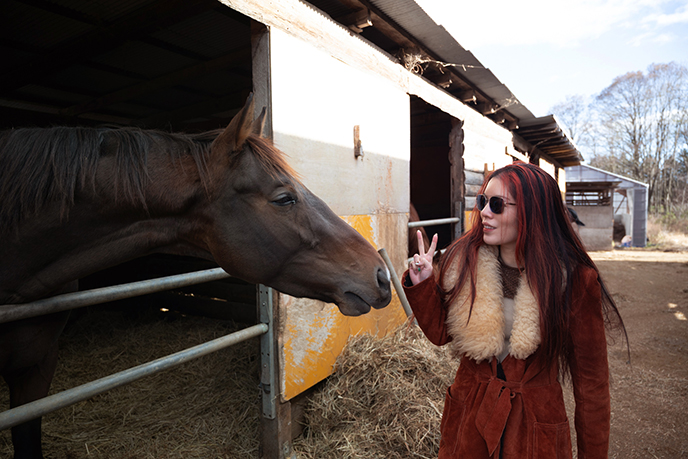
We petted the retired racehorses and sampled mushrooms ingeniously grown in a greenhouse with their compost. After, the rich soil is used to feed crops, continuing the sustainability cycle.
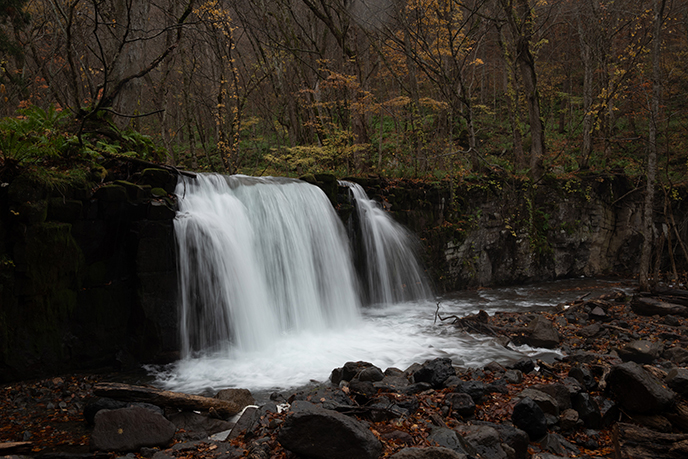
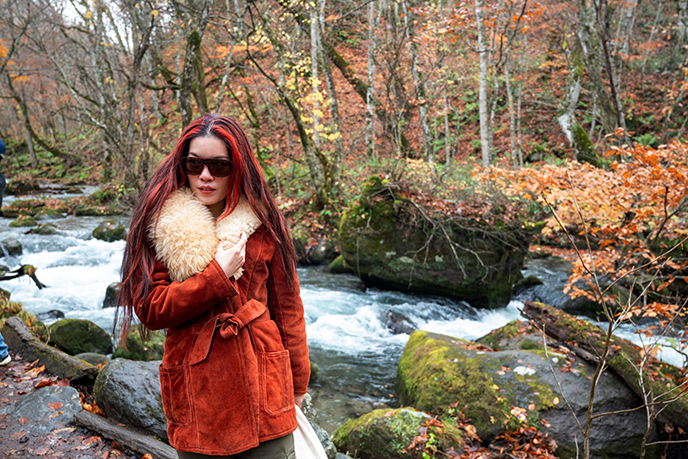
Another beautiful outdoor experience: stream trekking or cycling at Oirase Gorge in Towada, Aomori. The river valley stretches 14 km from Lake Towada, and is lush with moss, rocks, and waterfalls.
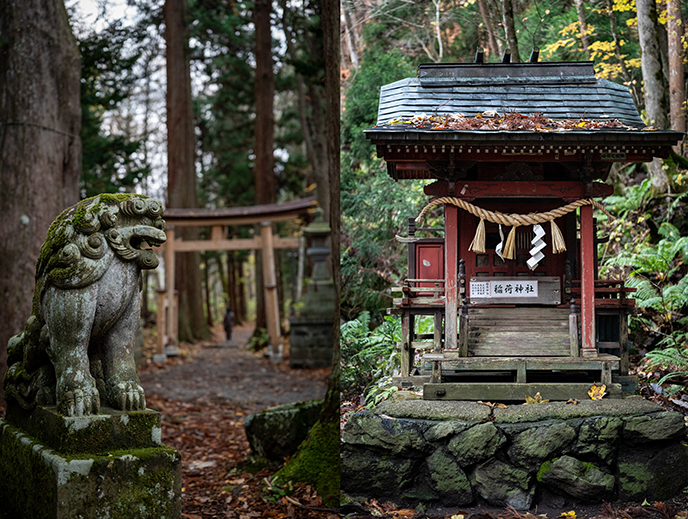
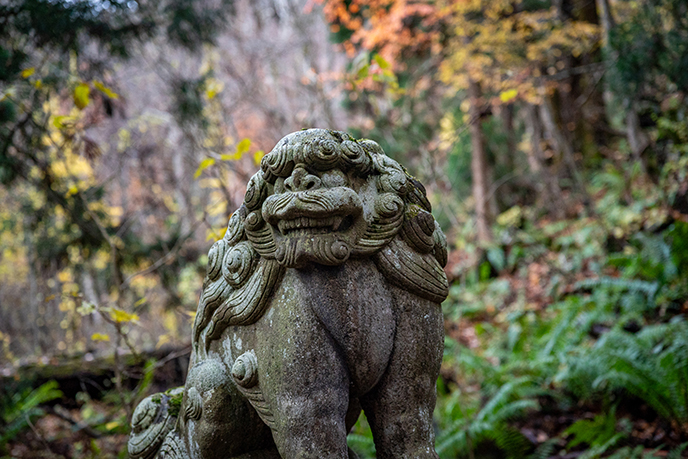
We also stepped into the majestic Towada Shrine, which was founded in 807 is guarded by stone lion-dogs.
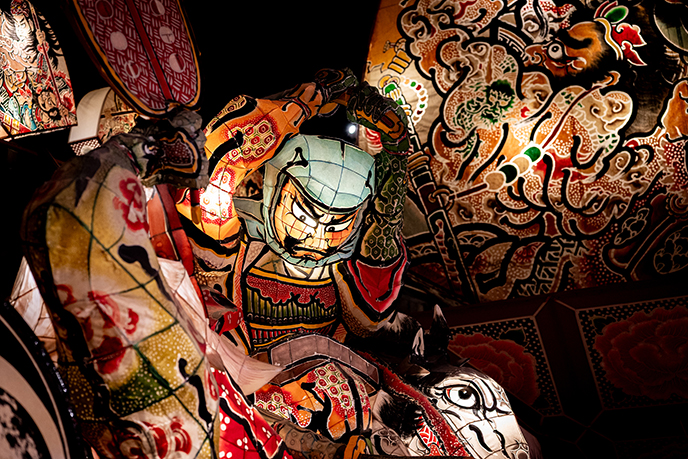
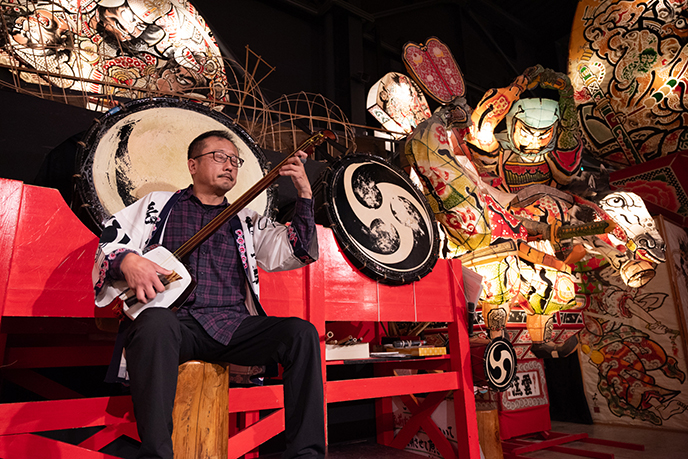
As I love experiencing Japanese art and culture firsthand, I was delighted by Tsugaru-han Neputa-mura. The traditional village is filled with the massive, illuminated lantern floats from the yearly Hirosaki Neputa matsuri or festival.
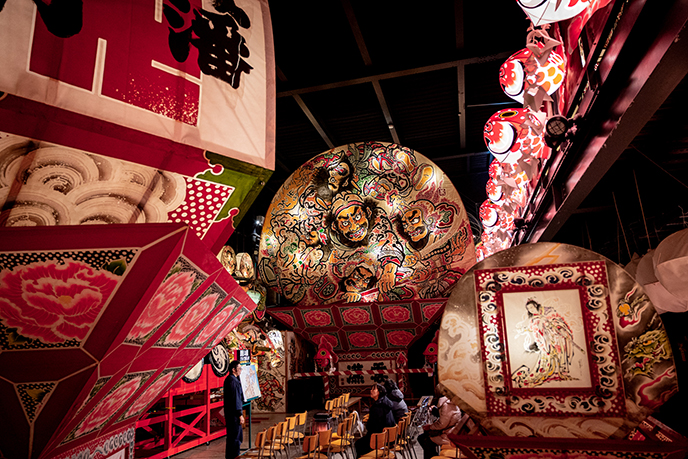
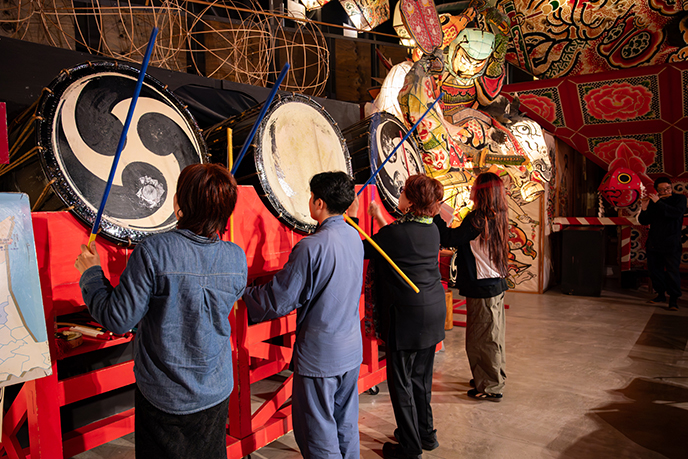
I was blown away by the artistry and scale of the handpainted lanterns, and enjoyed getting to know Hirosaki’s local history and rituals. We got to participate in activites like making a lantern out of upcycled nebuta papers, pounding on taiko drums, and listening to a shamisen stringed instrument performance.
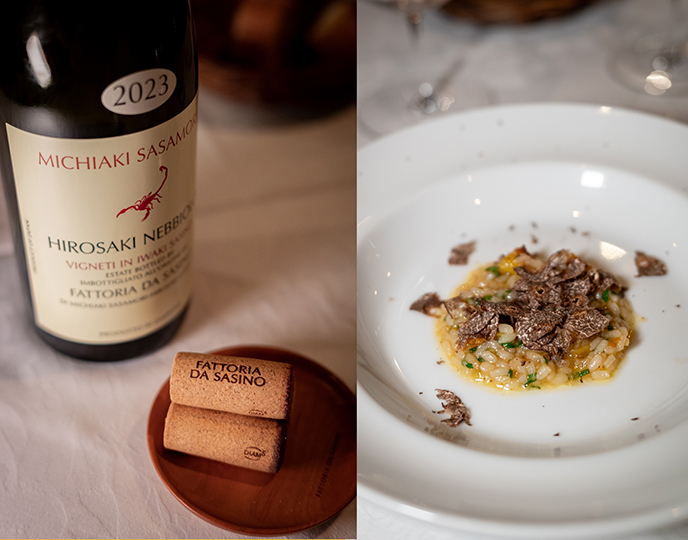
Aomori’s cooler climate also makes it an emerging spot for natural wines, some of which are blended with juicy local cherries, pears, peaches, and apples. I’m still thinking about the Italian-Japanese meal I had at Chef Michiaki Sasamori’s Osteria Enoteca Da Sasino. After training at Michelin-starred restaurants in Italy, he returned to his hometown – the castle town of Hirosaki – with the aim of developing it into a winemaking region. Sasamori established a vineyard at the foot of Mount Iwaki where he produces phenomenal small-batch Nebbiolos and Malvasias, as well as his own charcuterie.
Akita’s spectacular produce and rice come alive in the beautifully presented vegan kaiseki of Chef Eiko Suwa’s Kuromanta, which focuses on fermented dishes and seasonal, organic plants and herbs from her garden.
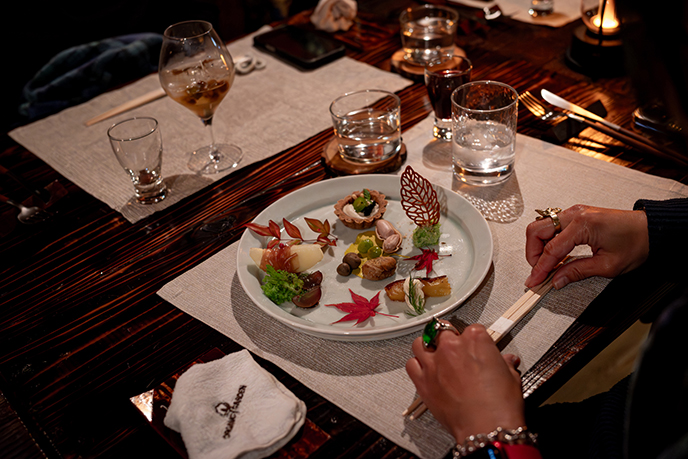
How exquisite is the layout of her plant-based dishes?
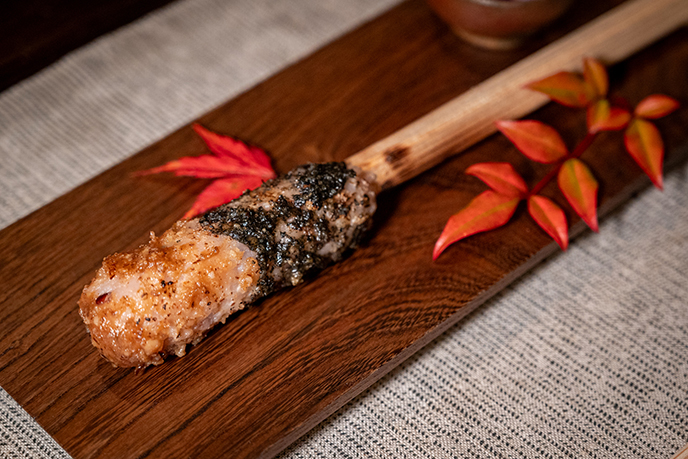
The attention to detail and quality of produce were at the highest level, even in “simple” dishes like this char-grilled rice on a stick.
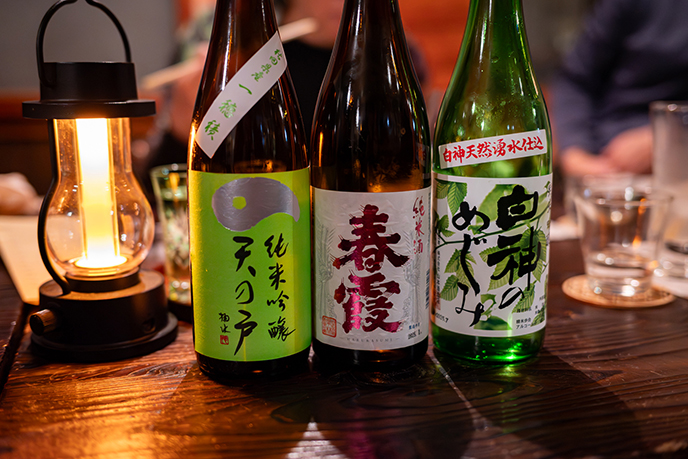
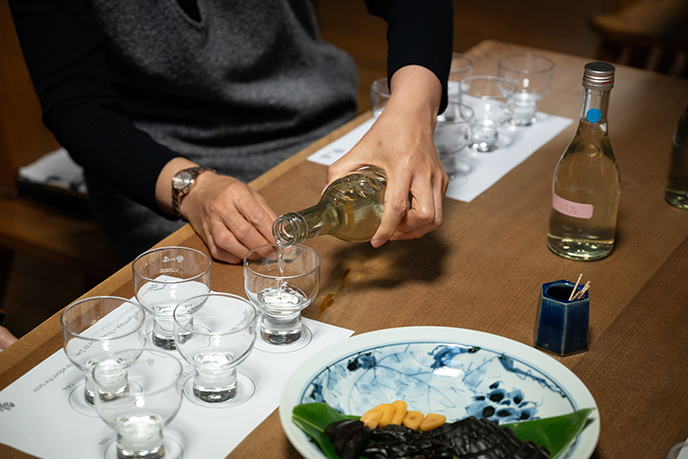
Tohoku is also famous for its sake, and has some breweries run by the descendents of the original samurai owners. At Washino-O, which was founded in 1829, we tried various sakes of different strengths and went behind the scenes to learn about the bespoke brewing process (which uses mineral rich water from Mt Iwate).
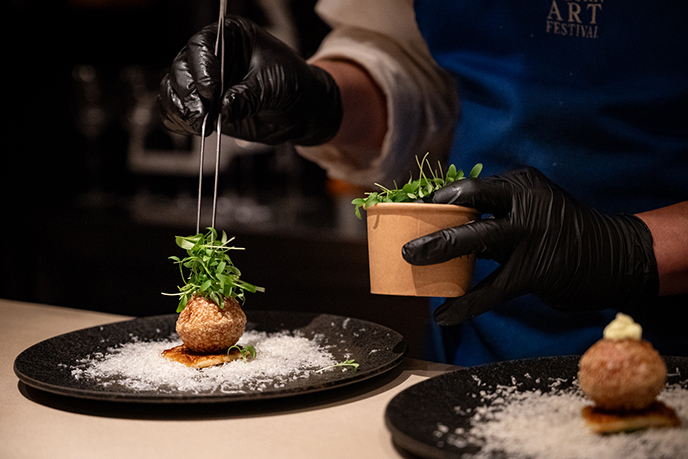
Impressed by the fine dining throughout Tohoku. At Ristaurante Shikazawa, Iwate chef Yasuyuki Shikazawa combines his hometown’s finest ingredients in artful presentations. A tasting course might include matsutake mushrooms, tender guinea fowl, and sweet Kamaishi scallops from the thriving Sanriku Coast.
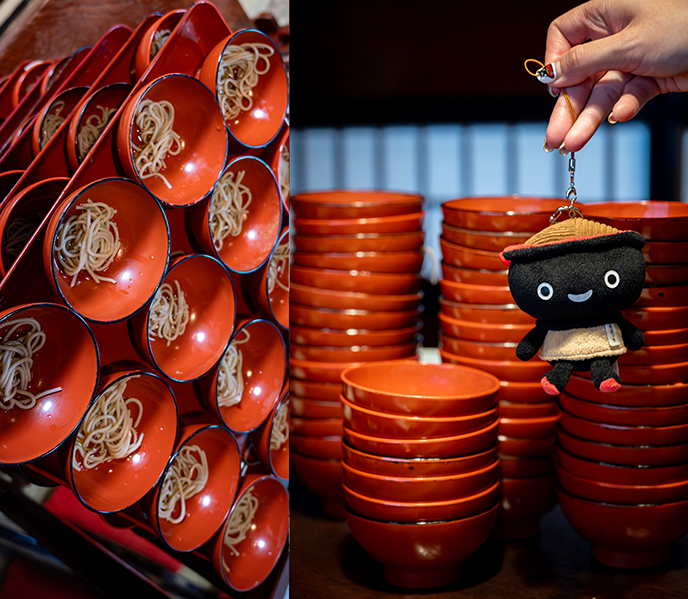
I also ate my fill of “wanko soba” at Azumaya Soba Shop, which was founded in 1907. The staff hands you unlimited bowls containing small portions of buckwheat noodles, and chants “Jan jan, don don” as you slurp them down. Try to see how many bowls you can eat — the record is 570. I managed 37, which is above average! (Morioka’s kawaii Wanko Brothers mascot is based on this popular dish.)
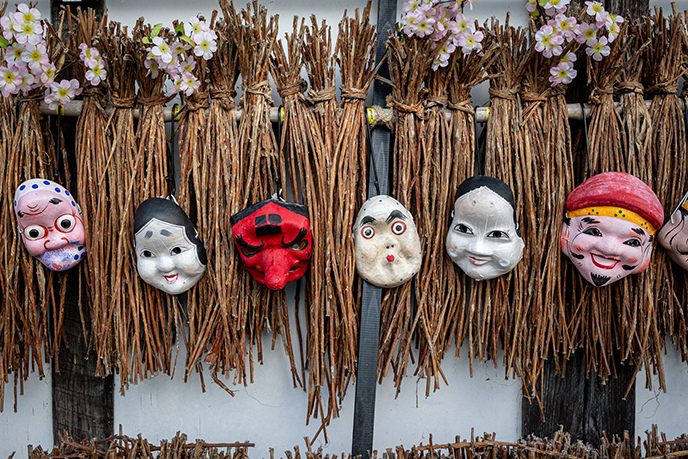
All around Tohoku, travelers can take part in interactive experiences involving food, art, culture, and the great outdoors. There’s so much to experience within a few hours train ride from the capital!
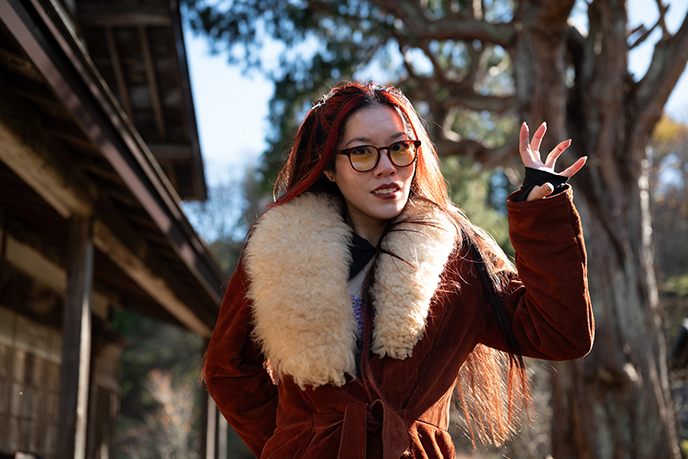
For more about why I adore traveling in Tohoku, read my “Living Japan” feature with pics by Joey Wong on Voyapon.
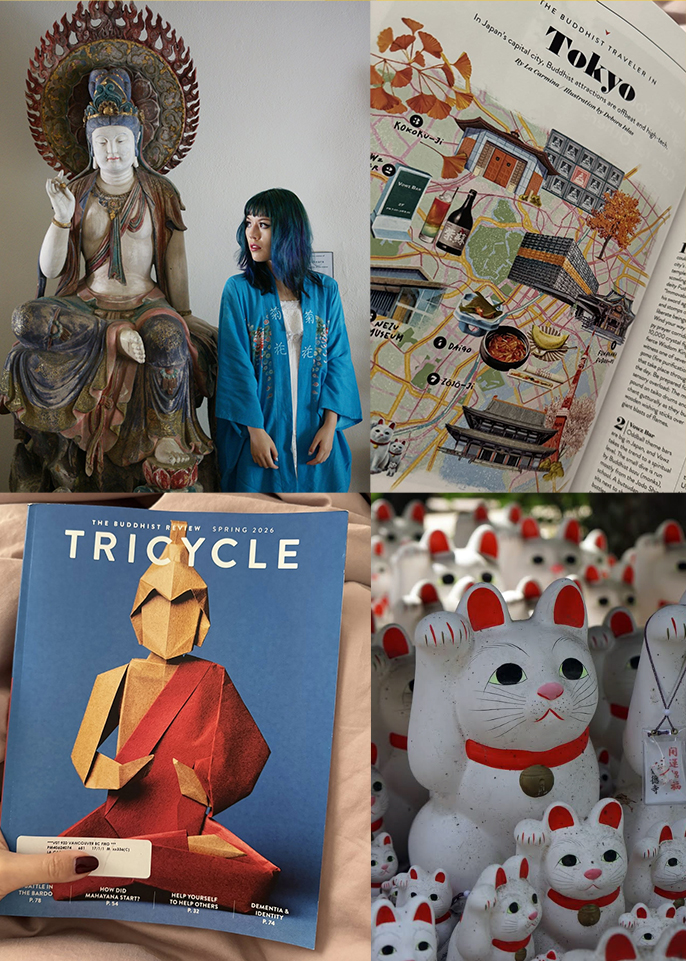
I also wanted to share my latest travel writing — for the spring print issue of Tricycle: The Buddhist Review! I wrote about must-visit Buddhist attractions in Tokyo, including a cyber cemetery, Gotokuji lucky cats temple (more photos and info here), and Vowz bar run by monks. Ps: you can read my Tricycle Buddhist travel article without the paywall here.
For more adventures from Tohoku and other parts of Japan, find me @lacarmina on Instagram.
And if you dig my style, you can check out my Goth fashion for sale on Poshmark (Canada) and Depop (USA / international). Please take a browse, and reach out –– I’d be delighted to send you a package of dark delights!
SHARE & COMMENT

 LA CARMINA


5 Comments
As always another very nice blog post, I absolutely love that vintage leather sheep collar coat, it looks amazing on you. The background scenery looks like something straight out of a movie; those are the crispest apples I’ve ever seen. It looks very peaceful and relaxing, best of luck in your travels and again I love that vintage leather sheep collar coat it’s very fashionable and stylish.
Thanks! Been busy so it took a while to put together but it’s a very meaningful experience for me, traveling in these lesser-trodden regions of Japan and meeting such sweet people.
This is a really insightful article about Tohoku, Japan: travel, restaurants, food guide! Aomori apples, Hachimantai Iwate Geibikei Gorge, Morioka wanko soba.. I appreciate the detailed analysis and practical approach.
Great breakdown of Tohoku, Japan: travel, restaurants, food guide! Aomori apples, Hachimantai Iwate Geibikei Gorge, Morioka wanko soba.. I found the practical insights particularly helpful for my own projects.
I loveate howomori apples! They’re not a perfect sweet treat straight enjoyed right along a long glass of tea.